Key Takeaways: Ketamine Infusions For CRPS
- CRPS has one of the stronger evidence bases for ketamine among all pain conditions, including a randomized, placebo-controlled trial
- Ketamine targets central sensitization, the process that keeps CRPS pain amplified, rather than simply masking the signal the way an opioid does
- Relief is real but often time-limited. Many patients use periodic booster infusions to sustain their gains over months
- Ketamine Wellness NY’s approach is outpatient and sub-anesthetic. We do not provide high-dose “ketamine coma” protocols, which are a different, far more intensive intervention
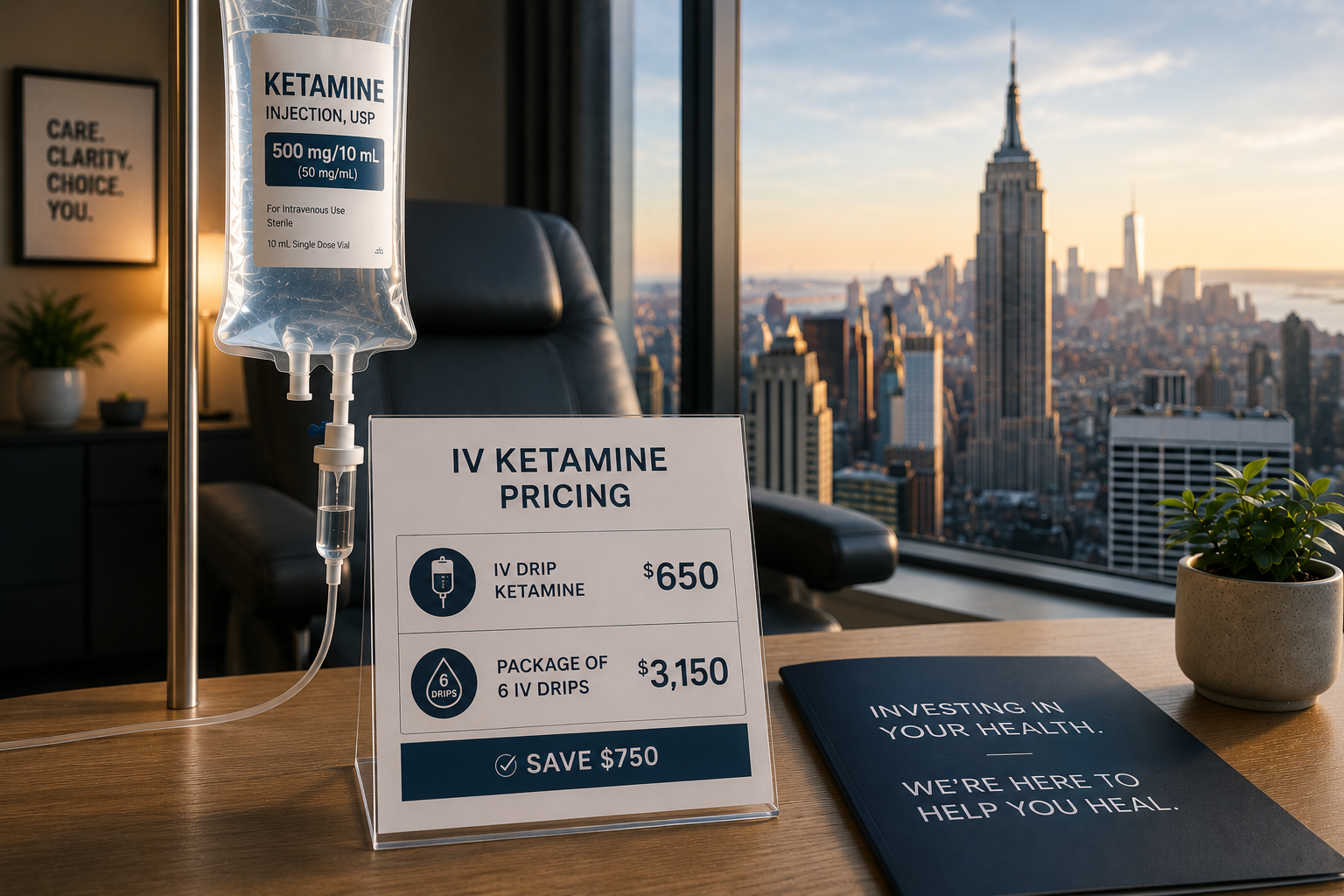
- Pricing at Ketamine Wellness NY: $550 for an introductory session, $650 for a standard single session, and $3,250 for a six-session induction package
Why Ketamine Is Used For CRPS
CRPS is not simply a pain signal traveling from an injured limb to the brain. It involves a deeper process that changes how the nervous system amplifies pain, and that is why ketamine is relevant here.
Central Sensitization and The NMDA Receptor
Central sensitization describes what happens when the nervous system’s volume control gets stuck on high. After a triggering injury, the spinal cord and brain can enter a state of persistent hyperexcitability. Pain continues to amplify long after the original tissue has healed.
The NMDA (N-methyl-D-aspartate) receptor plays a central role in establishing and maintaining this state. When activated repeatedly by pain signals, NMDA receptors lower the threshold for future firing. That is one reason CRPS pain tends to spread and respond poorly to treatments aimed only at the peripheral nerve.
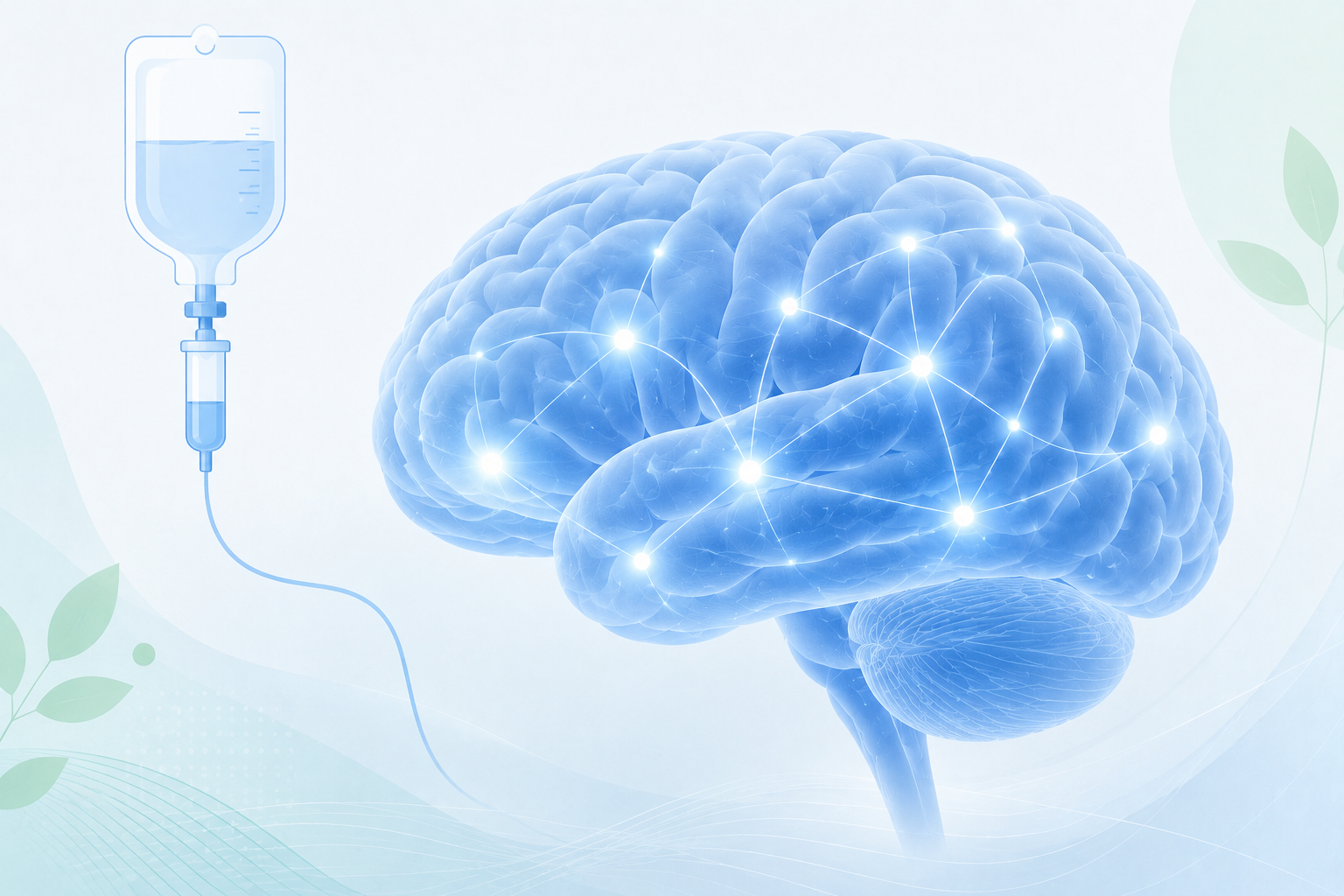
Ketamine is the most potent clinically available NMDA-receptor antagonist. By blocking these receptors, it may interrupt the self-reinforcing cycle of central sensitization rather than simply dulling the signal downstream.
Glial Activation and Neuroinflammation
Glial cells (the immune cells of the central nervous system) become activated in chronic pain states like CRPS. They release inflammatory mediators that further amplify pain signaling.
Research suggests ketamine may reduce this glial activation, adding a second mechanism that distinguishes it from opioids and most conventional analgesics. This is why pain specialists have used ketamine for CRPS specifically for over two decades.
What The Evidence Shows For Ketamine and CRPS
Ketamine for complex regional pain syndrome has a more controlled evidence base than most pain diagnoses. Placebo-controlled trials, systematic reviews, and meta-analyses all exist — relatively unusual in interventional pain medicine.
The Sigtermans Randomized Controlled Trial
Two landmark 2009 double-blind, placebo-controlled trials, both published in Pain, established the evidence base for ketamine in CRPS.
Sigtermans and colleagues studied 60 CRPS-1 patients receiving a 4.2-day inpatient continuous infusion, with significant pain reduction lasting up to 11 weeks.
Schwartzman and colleagues used a 10-day outpatient series of sub-anesthetic infusions in 19 patients, also showing sustained pain reduction.
Together, they represent the two strongest placebo-controlled trials supporting ketamine for CRPS, and the Schwartzman outpatient model directly reflects the approach used at Ketamine Wellness NY.
Systematic Reviews and Meta-Analyses
A systematic review by Chitneni et al. (2021) in Cureus found that the large majority of included studies reported reduced pain scores following IV ketamine for treatment-resistant CRPS.
Pooled meta-analyses indicate clinically meaningful short-term relief, though outcomes are commonly studied out to approximately three months and larger long-term trials remain needed.
A more recent narrative review in Current Pain and Headache Reports (2025) further supports sub-anesthetic ketamine for CRPS. It reinforces the importance of patient selection and clinical monitoring.
What Relief Typically Looks Like:
Ketamine can offer meaningful relief for appropriately selected CRPS patients. But it is not a permanent cure, and each response can differ. Many patients experience meaningful pain reduction lasting weeks to months, after which periodic booster infusions help sustain those gains.
What Patients Actually Say About Ketamine Therapy
Clinical trial data tells one part of the story. The other part shows up in how patients talk about their own experience once they are past the first infusion series.
A common pattern appears across CRPS patient communities. Many describe pain so constant that even a bedsheet touching the affected limb felt unbearable.
These patients often say they had already tried physical therapy, nerve blocks, and multiple medications without lasting relief before considering ketamine.
They also note that repeat infusions are often needed to maintain the benefit. So, ketamine is part of long-term symptom management rather than a one-time solution.
Who May Be A Candidate For Ketamine Infusion For CRPS
Not every CRPS patient is a good fit for IV ketamine. Candidacy depends on diagnosis, prior treatment history, and a thorough medical screening.
CRPS Diagnosis and Prior Treatment History
Clinicians generally consider IV ketamine when CRPS has been formally diagnosed, often using the Budapest criteria. It must also have not responded adequately to first-line therapies.
Those typically include physical and occupational therapy, sympathetic nerve blocks, and medications such as gabapentinoids and tricyclics.
The term treatment-refractory CRPS describes patients whose pain remains severe despite these interventions. This is the population in whom the evidence for ketamine is strongest.
Medical Screening Requirements
Ketamine affects heart rate, blood pressure, and perception, so medical screening is a required part of every Ketamine Wellness NY consultation. Certain cardiac, blood-pressure, and active untreated psychiatric conditions may make it unsuitable.
Dr. Qureshi’s board-certified internal medicine background, with clinical training at Brooklyn Hospital, NYU, means the screening process is grounded in comprehensive medical evaluation.
Bring your full treatment history to the consultation, including imaging, prior procedures, and medication trials. The more complete the picture, the more precise the assessment.
What A Ketamine Infusion Course Involves At Ketamine Wellness NY
Ketamine Wellness NY’s approach is outpatient, monitored, and sub-anesthetic. Here is what that looks like in practice.
Outpatient, Sub-Anesthetic IV Infusions
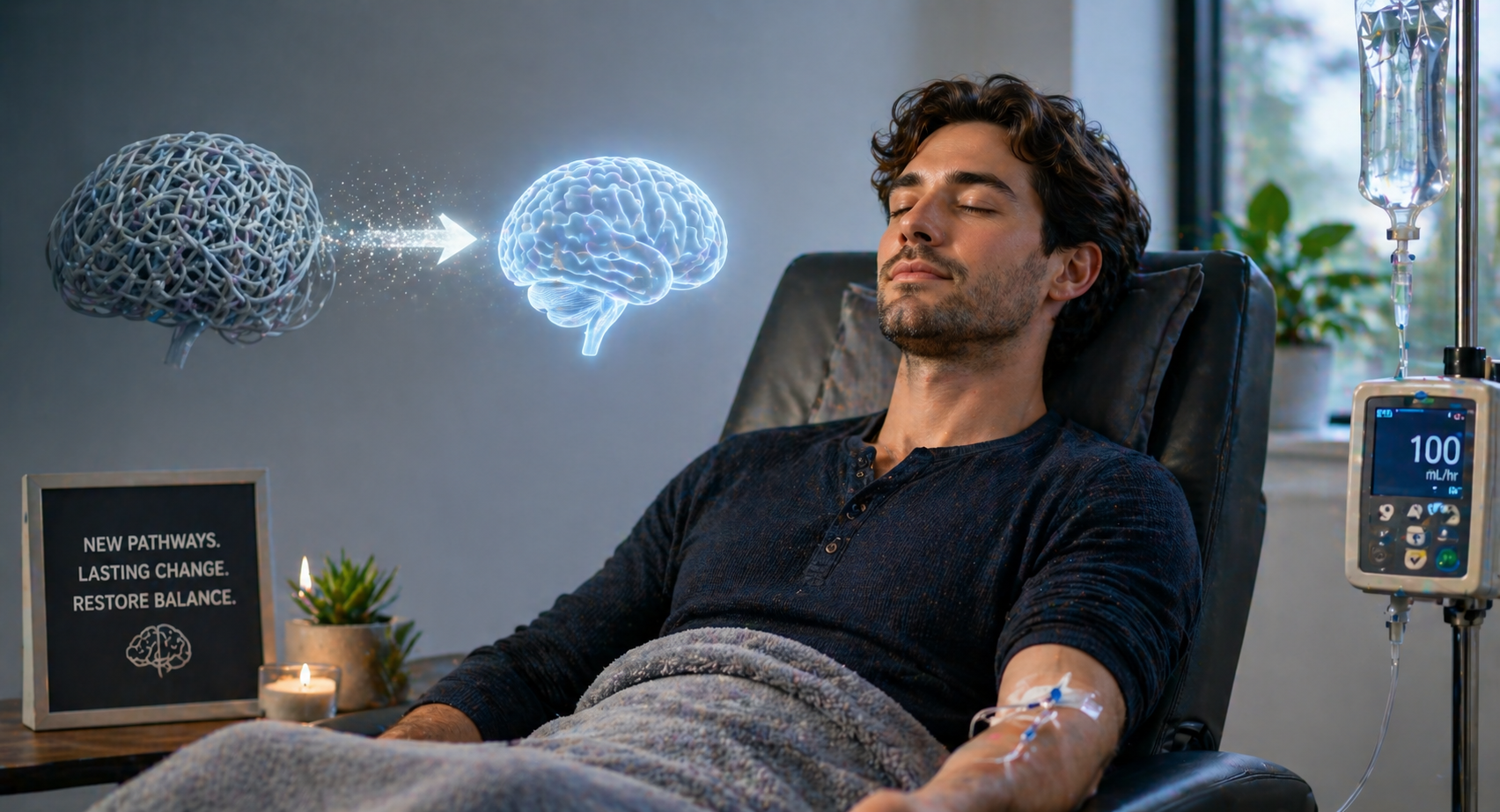
At Ketamine Wellness NY, IV ketamine infusions for CRPS are delivered at sub-anesthetic doses. You remain conscious and responsive throughout, in a comfortable, supervised setting with continuous vital-sign monitoring. You will need to arrange a ride home afterward.
Pain protocols per 2018 consensus guidelines on IV ketamine use continuous infusion rates of 0.5–2 mg/kg/hr or bolus dosing up to 0.35 mg/kg. This is distinct from the lower doses used in mood-disorder protocols (0.5 mg/kg over 40 minutes).
CRPS treatment involves a series of infusions rather than a single session. After an induction series, maintenance infusions are typically spaced 1–3 months apart.
A Note On “Ketamine Coma” Protocols
You may encounter references to high-dose, anesthetic-level ketamine performed in inpatient or overseas settings.
These involve doses far above sub-anesthetic levels, require general anesthesia, and carry a substantially different risk profile.
Ketamine Wellness NY does not provide them. Our approach is strictly outpatient and sub-anesthetic.
Multidisciplinary Care
Ketamine works best alongside your existing care, not as a replacement for it. Physical therapy and structured movement help translate a pain-relief window into lasting functional gains.
Nerve blocks, pain psychology, and other interventions can continue alongside ketamine. Bring all your providers into the conversation so care stays coordinated.
Realistic Expectations: Relief Duration, Boosters, and Ongoing Care
How long does relief last? The answer depends on separating what research shows from what any individual patient will experience.
How Long Relief Typically Lasts
Studies examining ketamine for CRPS have generally measured outcomes out to approximately three months post-infusion. Within that window, many patients report meaningful reductions in pain scores and improvements in daily function.
Beyond three months, individual response diverges. Some maintain substantial relief for six months or more; others notice pain returning within weeks. Neither outcome reflects a failure of treatment or patient.
The Role of Booster Infusions
For patients who respond well but experience gradual return of pain, periodic booster infusions are a common maintenance strategy. The interval typically ranges from monthly to every few months, depending on durability of response.
Many CRPS patients receiving ketamine settle into a rhythm that keeps pain manageable while continuing their other care.
Setting Realistic Goals
The right frame for IV ketamine in CRPS is not cure. It is a meaningful reduction in pain intensity that may restore function, improve sleep, and allow participation in physical therapy.
For patients who have been in severe, refractory pain for years, even a partial sustained reduction can be life-changing.
CRPS Ketamine Infusion Cost and Ketamine Wellness NY Locations
For patients considering IV ketamine for CRPS, cost transparency matters. Here is what Ketamine Wellness NY offers.
Pricing
Ketamine Wellness NY pricing is structured for accessibility:
| Session Type | Price |
| Introductory session | $550 |
| Standard single session | $650 |
| Six-session package | $3,250 |
The six-session package is often a sensible structure for CRPS. The right number of sessions is determined with the medical team based on your response.
Ketamine Wellness NY does not bill insurance directly. If you are weighing costs, see our guide on whether ketamine is covered by insurance for context on reimbursement pathways.
Locations
You can visit us at our Jackson Heights (Queens) or Great Neck (Long Island) clinic. To schedule a consultation and screening for CRPS treatment in NY, reach out to the location most convenient for you.
Frequently Asked Questions (FAQs)
How many infusions will I need before I feel relief?
CRPS protocols are a series, not a single session. Some patients notice change within the first two or three infusions; others need the full course before judging response. Commit to the initial series before drawing conclusions.
Will the pain come back after treatment?
It can. Many CRPS patients experience gradual return of pain over weeks to months. Periodic booster infusions sustain relief over the longer term. This is a maintenance approach, not a treatment failure.
Can I continue my other pain treatments alongside ketamine?
Yes. Ketamine complements physical therapy, nerve blocks, and other pain management. It works best when it opens a reduced-pain window you actively use for rehabilitation. Bring your full treatment history to the consultation.
How is CRPS ketamine different from ketamine for depression?
Dose ranges differ significantly. CRPS pain protocols use continuous infusion rates of 0.5–2 mg/kg/hr per ASRA/AAPM/ASA 2018 guidelines. That compares to 0.5 mg/kg over 40 minutes for mood disorders. Both are sub-anesthetic and outpatient at Ketamine Wellness NY.
How much does ketamine therapy cost in New York for CRPS?
At Ketamine Wellness NY: $550 for an introductory session, $650 for a standard session, and $3,250 for a six-session package. IV ketamine is not covered by most insurance plans, though some patients pursue out-of-network reimbursement.
Where is Ketamine Wellness New York located?
Ketamine Wellness NY has two clinic locations: Jackson Heights (Queens) and Great Neck (Long Island). We do not have a Manhattan location. Both offer the same medically supervised outpatient IV ketamine protocol.
Final Thoughts
CRPS is among the most painful conditions a person can live with, and it deserves treatment options that take that severity seriously.
IV ketamine for CRPS is not a guarantee, but it is one of the most evidence-backed interventions available for refractory cases.
At Ketamine Wellness NY, the goal is a medically supervised, outpatient course that gives appropriately selected patients a real chance at meaningful pain relief.
If you are still searching for something that works, a consultation is a reasonable next step.
Talk To Ketamine Wellness NY About CRPS
If CRPS has not responded to standard care, a consultation can help clarify whether IV ketamine is appropriate for you.
Start with an introductory IV ketamine session at $650, or ask about the six-session package.
You can also visit us at our Jackson Heights (Queens) or Great Neck (Long Island) clinic to schedule a screening with Dr. Qureshi’s medical team.
 Skip to content