


Depression can leave you worn out from reading and still wanting a clear answer. Lately, two names keep showing up together: ketamine and psilocybin. If you’re comparing ketamine vs. mushrooms for depression, you’re doing careful research on something that matters.
Both get called promising, and both get labeled psychedelic, so it’s easy to feel more curious than clear. Here’s the thing: the better question is not which one wins. It’s which option is realistic for you, today, in New York.
We’ll compare how each works, what’s legal, and what each experience actually feels like. We’ll also explain where ketamine therapy fits, so you can decide your next step with calm and clarity. That is a smart and steady place to start.
Ketamine Vs. Mushrooms For Depression: How Each One Works
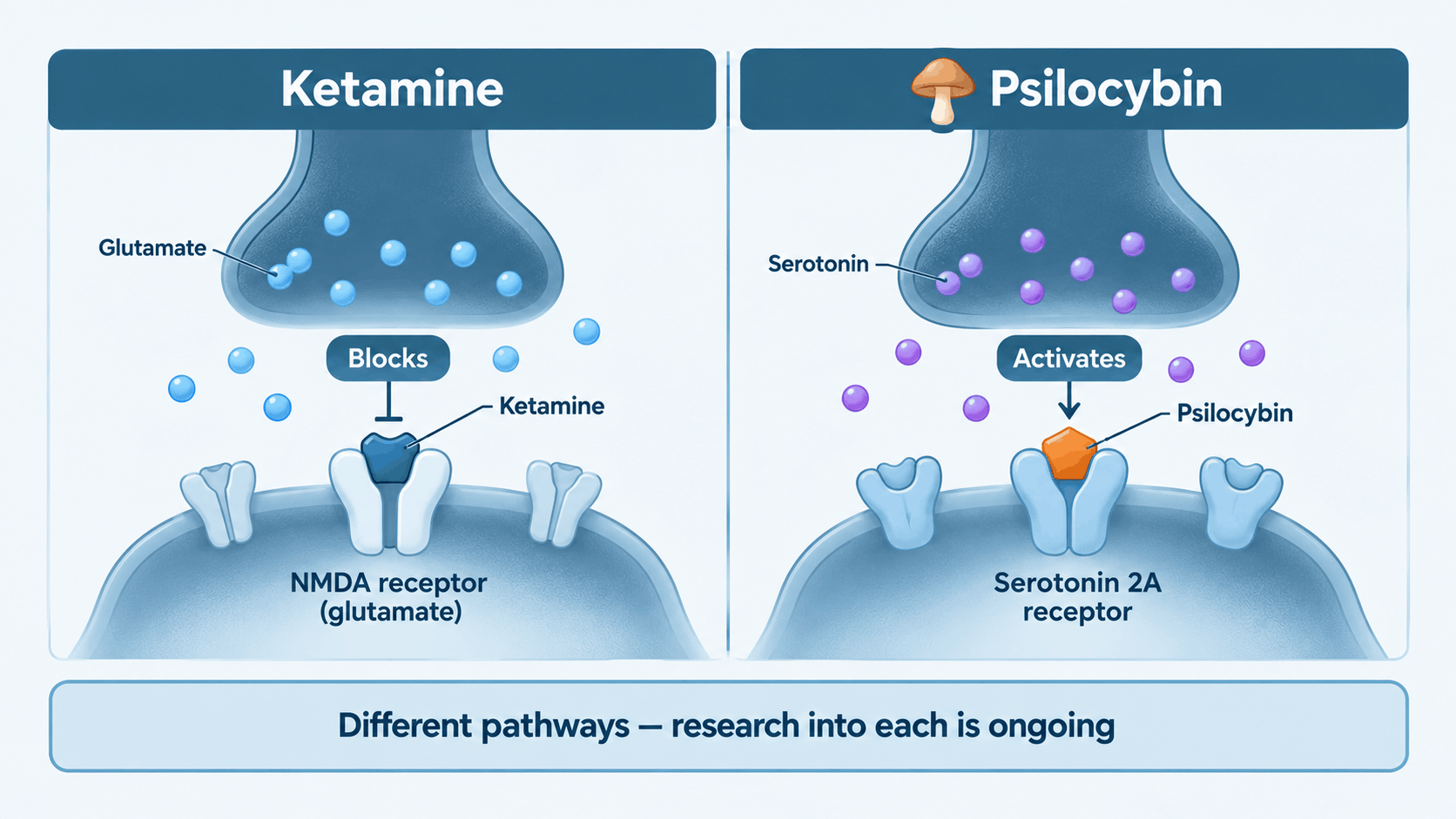
People often frame ketamine therapy vs. psychedelic therapy as one choice, but the two act on different brain systems. That difference helps you read headlines with more confidence and ask better questions of any clinician.
What are the main ketamine and psilocybin differences?
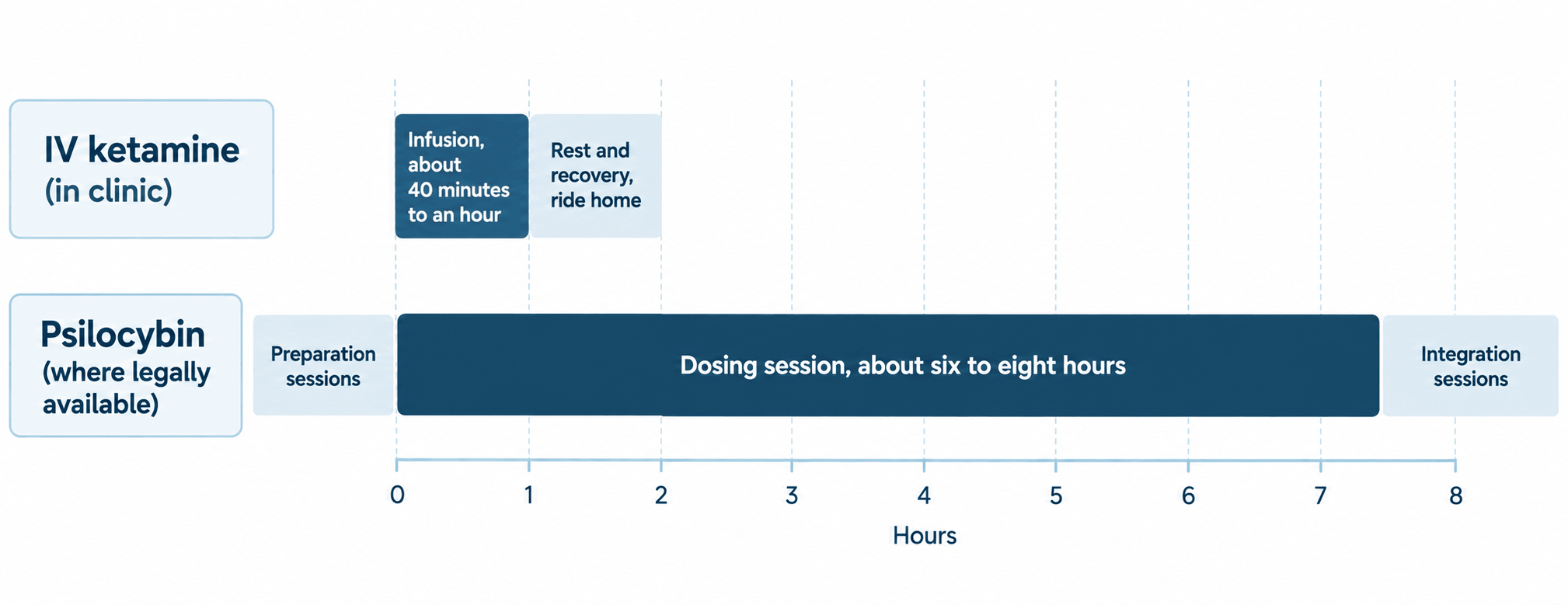
Ketamine blocks NMDA receptors, is legal through licensed physicians, and sessions last about 40 minutes to an hour. Psilocybin activates serotonin 2A receptors, remains federally illegal outside trials and state programs, and sessions last six to eight hours.
How Does Ketamine Work For Depression?
Why can ketamine act so much quicker? Researchers think it’s partly because it targets glutamate signaling rather than serotonin.
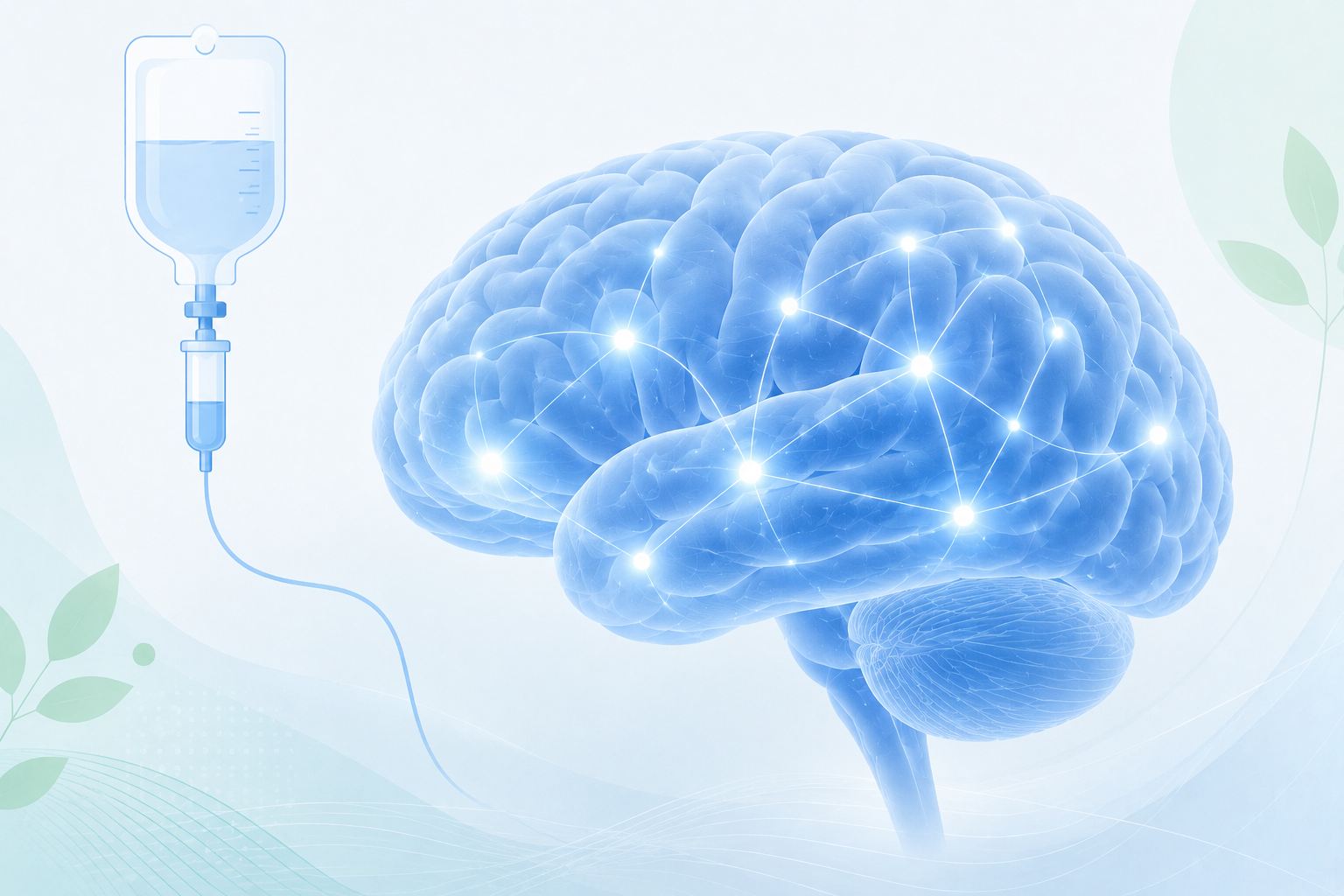
Ketamine blocks NMDA receptors, a type of glutamate receptor involved in learning and brain connections. This is thought to trigger neuroplasticity, meaning the brain’s ability to form new connections. Many patients notice a change within hours to days, while traditional antidepressants often take several weeks.
That timing is why ketamine for depression gets so much attention, especially when symptoms feel urgent.
Marcantoni et al. (2020) found IV ketamine reduced symptoms in treatment-resistant depression. Response varies from person to person, and benefits can fade without follow-up care.
It does not work for everyone, so a careful medical screening comes first.
How Does Psilocybin Work? Magic Mushrooms Vs. Ketamine
What makes psilocybin feel so different from ketamine? It mainly activates serotonin 2A receptors, which shapes its intense, introspective psychedelic experience.
Researchers believe this altered state, paired with structured therapeutic support, may loosen rigid thought patterns linked to depression. In clinical studies, psilocybin effects are usually assessed over days to weeks after a session. Some research suggests benefits may last for months, though study sizes have been fairly small.
A randomized trial by Davis et al. (2021) in JAMA Psychiatry tested psilocybin-assisted therapy in adults with major depressive disorder.
Neither mechanism is better in an absolute sense. They are simply different biological pathways toward a similar goal.
The Legal and Access Reality For Psilocybin Vs. Ketamine
Access, not preference, usually decides what is possible for you right now. We’ll separate federal approval, state programs, and clinical trials, because people often treat those three things as the same.
Is Ketamine Legal and FDA-Approved For Depression?
The short answer is yes, with one important distinction.
Ketamine is a Schedule III controlled substance, and it is FDA-approved as an anesthetic. Physicians also use it off-label for depression, meaning they apply an approved drug to a new use. That practice is common across medicine and relies on clinical judgment and published research.
A related nasal medication, Spravato (esketamine), is FDA-approved specifically for treatment-resistant depression. IV ketamine itself remains off-label for mood disorders, and it is available through licensed physicians in New York.
Those approvals matter, because they shape what insurers cover and what clinicians can offer.
Is Psilocybin Therapy For Depression Legal In New York?
No, psilocybin is not legal for treatment in New York today.
Psilocybin is a Schedule I controlled substance under federal law, and it is not FDA-approved for any medical use. Supervised access currently exists in only two ways in the United States.
- Licensed state programs operate in Oregon and Colorado. New Mexico’s medical program has not opened to patients yet; state officials have targeted the end of 2026.
- Clinical trials administer psilocybin legally under FDA oversight as part of research.
State programs exist independently of FDA approval, and they do not extend to New York. Many readers ask about traveling to Oregon or Colorado for a session. That is possible, but it involves cost, time, and preparation far from home.
Where Does The Psilocybin Approval Process Stand?
Headlines can make approval feel closer than it is.
As of mid-2026, Compass Pathways’ COMP360 holds FDA Breakthrough Therapy Designation. In April 2026, the FDA agreed to review the company’s new drug application on a rolling basis, and Compass expects to complete the submission in the fourth quarter of 2026.
Any approval decision would follow FDA review, and psilocybin would also need to be rescheduled by the Drug Enforcement Administration (DEA) before it could be prescribed. Timing is not guaranteed.
This is meaningful progress for psychedelic therapy for depression, but it is a future milestone. It does not change psilocybin’s legal status today, and it does not create a New York pathway.
Approval would also be a separate step from insurance coverage, clinic training, and state rules. Many steps remain between a designation and a treatment you can access.
| Ketamine | Psilocybin | |
|---|---|---|
| Primary mechanism | NMDA receptor antagonism | Serotonin 2A receptor activation |
| FDA status | Approved as an anesthetic; used off-label for depression | Not FDA-approved for any use |
| Federal legal status | Schedule III controlled substance | Schedule I controlled substance |
| Available in New York? | Yes, through licensed physicians | No, only via clinical trials or licensed programs in other states |
| Typical session length | About 40 minutes to an hour | About six to eight hours in supervised programs |
| Typical onset of effect | Hours to days | Days to weeks |
| Offered at Ketamine Wellness NY? | Yes, in-clinic IV infusions only, physician-led | No. Not offered, referred, or facilitated |
Takeaway: In New York today, ketamine is a physician-prescribed option, while psilocybin is available only through trials or other states’ programs.
Ketamine-Assisted Therapy Vs. Psilocybin Therapy: What The Experience Is Like
Beyond mechanism and legality, the two treatments feel quite different in practice, from setting to length. A clear sense of what to expect can ease uncertainty, whichever option is open to you.
What Is A Ketamine Infusion Session Like?
How long does a ketamine session usually take?
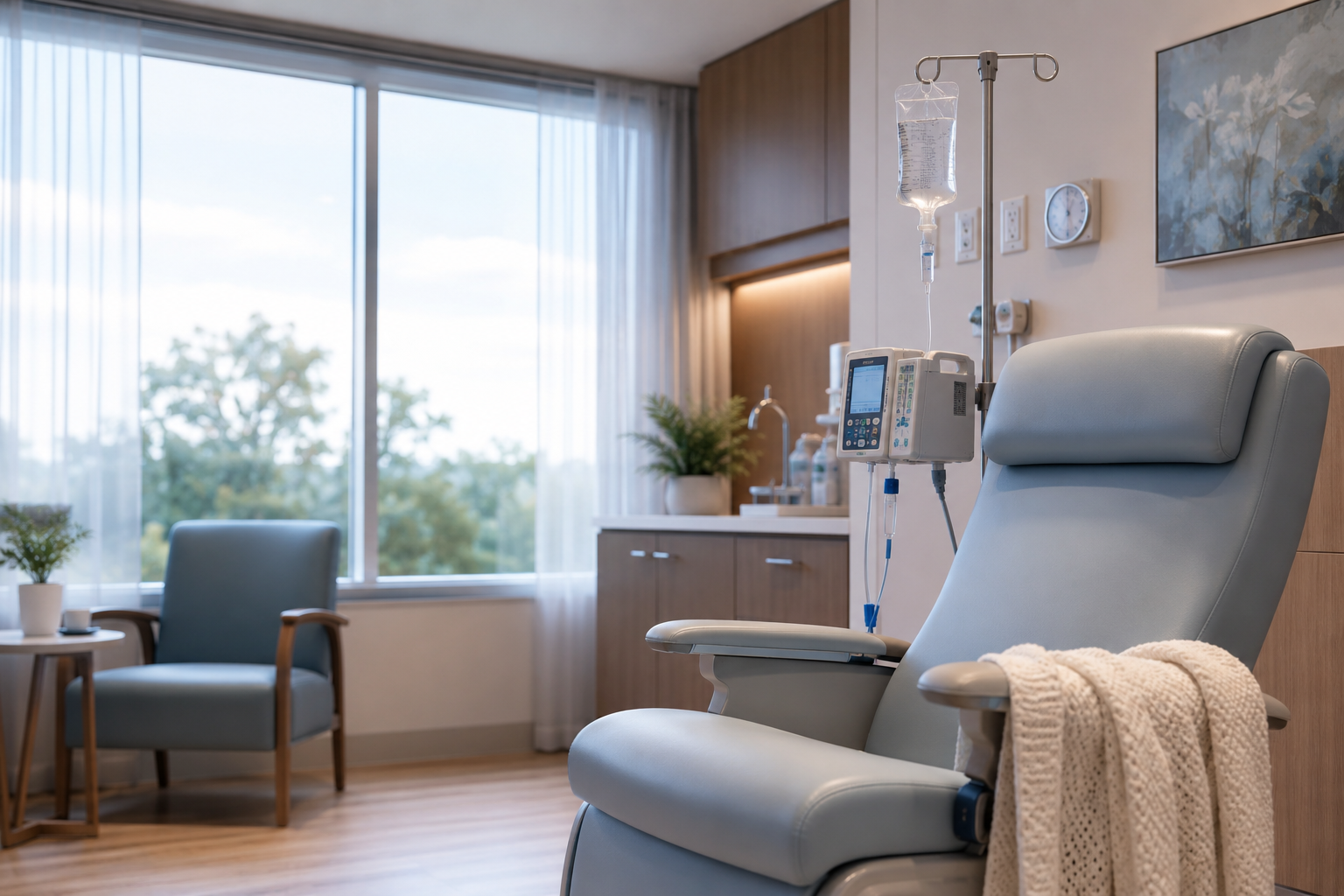
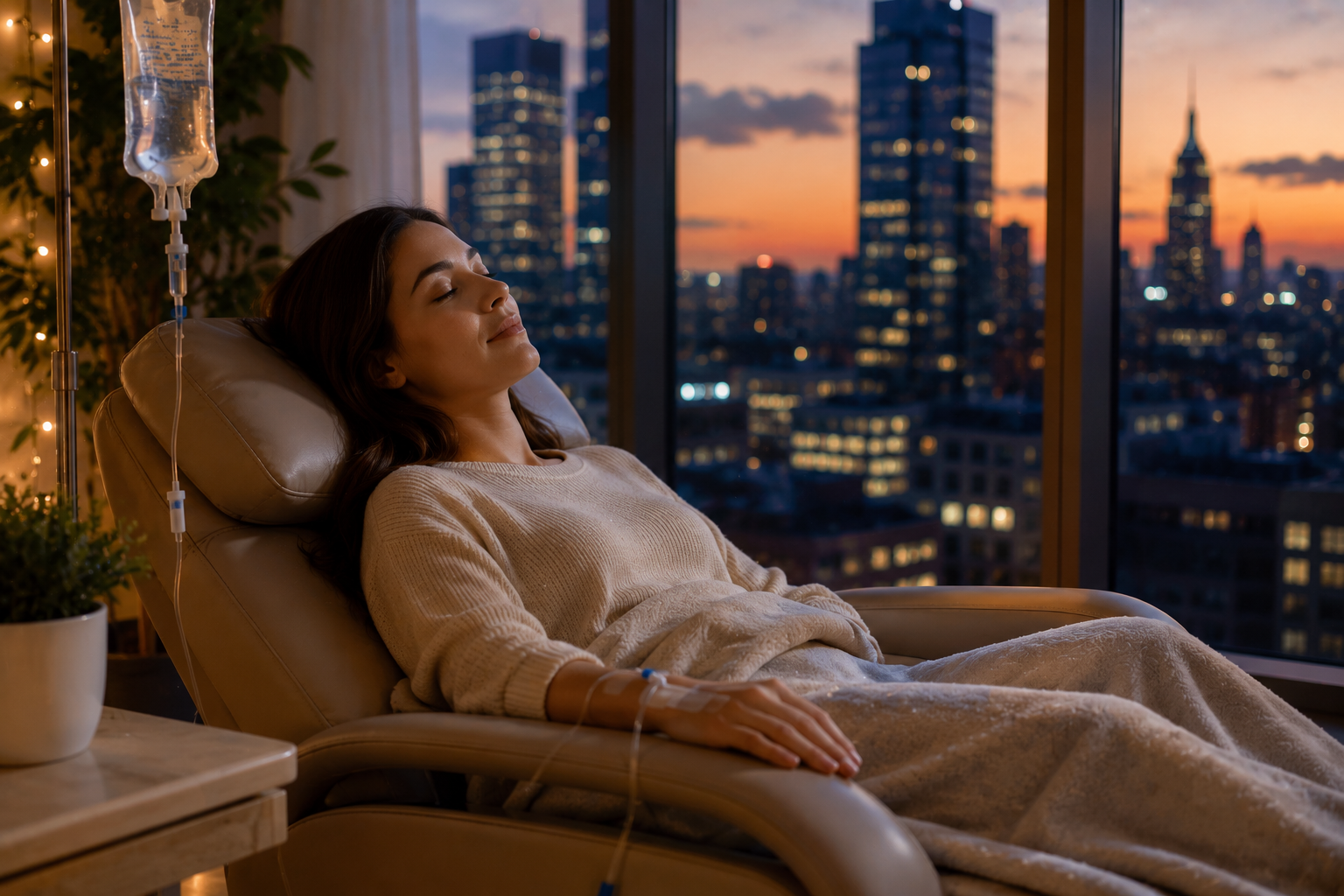
An IV ketamine infusion runs about 40 minutes to an hour in a monitored medical setting. In most published research, the dose is 0.5 mg/kg given over 40 minutes; at Ketamine Wellness New York, infusions run 40 to 90 minutes depending on your protocol. You rest in a reclined chair while staff monitor your vital signs throughout.
Many people feel a dreamlike or detached sensation that fades soon after the infusion ends. Plan for a ride home, since you should not drive after an infusion.
A typical induction series at Ketamine Wellness New York is six infusions over two to three weeks. After induction, maintenance sessions usually happen every one to three months, based on your response.
What Is Psilocybin-Assisted Therapy Like?
Psilocybin therapy is a longer, more involved process.
Dosing sessions often last six to eight hours, where legally available. Legitimate programs pair that session with preparation beforehand and integration conversations afterward. Because the day is long, you would likely need time off and a support person.
The experience is often vivid, emotional, and introspective, and it varies widely from person to person. The session itself is not the whole treatment. Preparation and integration carry as much weight as the dosing day.
Neither format is inherently better suited to depression care in general. They reflect real differences in how each compound works and how each is regulated.
Ketamine Or Psilocybin For Depression: Which Will Work For You Right Now?
After comparing mechanisms, laws, and experiences, the honest answer for most New Yorkers comes down to what is actually accessible. Your own history and goals still shape every decision along the way.
Why Does Access Matter So Much?
Why does access carry so much weight here? Because a treatment only helps when you can safely reach it.
In New York, ketamine is available today through licensed physicians. Psilocybin currently requires a clinical trial or travel to a state with a licensed program. That is not a knock on psilocybin research, which continues to develop seriously. It is simply where things stand right now, and it may change.
A Common Scenario
Someone spends months reading about both treatments and feels stuck. Then they learn which option is actually available near home. That clarity often brings relief, because the decision finally feels smaller and more manageable. They book a consultation to ask questions, and they leave with a clearer next step.
For a physician-supervised, legally accessible option today, ketamine treatment for depression is the one currently available. Neither choice replaces a conversation with a qualified clinician about your full history. Some conditions and medications change whether ketamine is appropriate, so screening matters.
Is Ketamine Treatment Right For You?
Who is a good candidate for ketamine treatment?
Candidacy starts with a medical review of your history, symptoms, and current medications. Dr. Pervaiz Qureshi, MD, board-certified in internal medicine, reviews every candidate’s history before treatment begins.
Consensus guidance from Sanacora et al. (2017) supports careful patient selection and monitoring for ketamine in mood disorders.
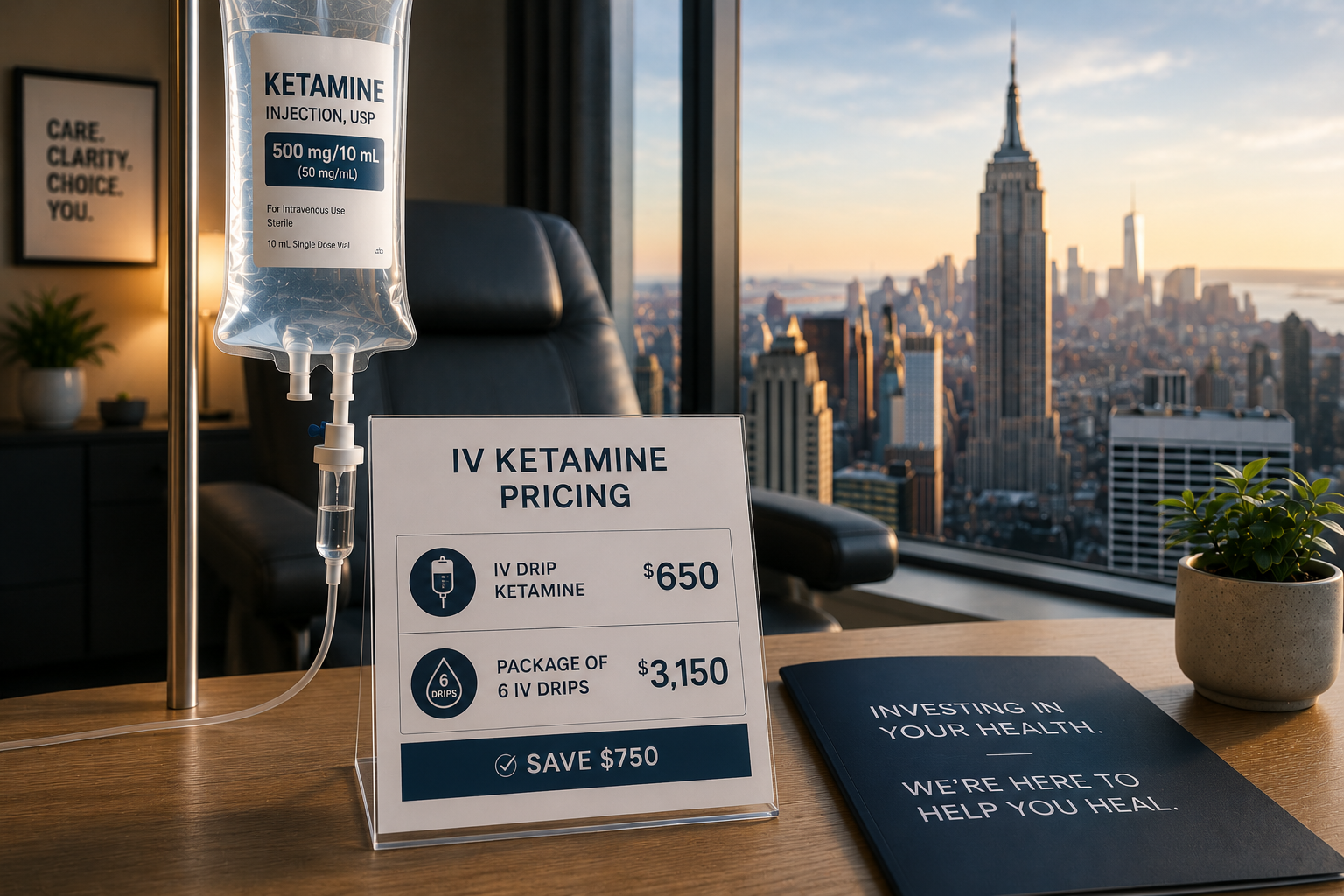
Ketamine is not right for everyone, and some conditions require extra caution or a different plan. Ketamine Wellness NY pricing is structured for accessibility. An introductory session is $550, a standard single session is $650, and a six-session induction package is $3,250.
A consultation lets us answer your questions before you commit to anything.
What Ketamine Wellness NY Offers, and What We Don’t
We want to be direct about our role, because clear boundaries build trust. This section explains exactly what we provide and what we do not, so you know what to expect.
Ketamine Wellness NY provides in-clinic, physician-led IV ketamine infusion therapy. We do not offer, administer, refer patients to, or facilitate psilocybin therapy in any form. This article is educational, and it aims to give you an accurate summary of where psilocybin stands.
Dr. Qureshi’s board-certified internal medicine background, with clinical training at Brooklyn Hospital, NYU, and Henry J. Carter Hospital, matters here. It means we review your whole health history before any infusion.
What we do offer is simple and clearly defined:
- Treatment is given in our clinic under physician supervision, never at home.
- Nothing is delivered to you or self-administered, and we do not ship medication.
- We evaluate patients exploring options for depression, anxiety, PTSD, OCD, or chronic pain.
Frequently Asked Questions (FAQs)
Is ketamine or psilocybin better for depression?
Neither is categorically better, because they use different mechanisms and have different research bases. The more practical difference for most people is simply access. Ketamine is available through licensed physicians in New York, while psilocybin is not outside clinical trials.
What is the difference between ketamine and psilocybin?
Ketamine blocks NMDA receptors and is FDA-approved as an anesthetic, with off-label use for depression. Psilocybin activates serotonin 2A receptors, is not FDA-approved for any use, and is federally classified as Schedule I. Session length and onset of effect also differ quite a bit.
Is psilocybin therapy legal in New York?
No, psilocybin is not legal for therapeutic use in New York as of mid-2026. Supervised access exists in Oregon and Colorado, with New Mexico’s program still in development, or through FDA-supervised clinical trials.
Does Ketamine Wellness NY offer psilocybin therapy?
No, Ketamine Wellness NY provides in-clinic, physician-led IV ketamine treatment only. We do not offer, administer, refer, or facilitate psilocybin therapy in any form.
How much does ketamine therapy cost in NYC?
At Ketamine Wellness NY, an introductory session is $550, a single session is $650, and the six-session package is $3,250. Prices are the same at both of our clinics, and we’ll walk you through the full cost at your consultation.
Where is Ketamine Wellness NY located?
We have two clinics, in Jackson Heights (Queens) and Great Neck (Long Island). Both locations offer in-clinic, physician-led ketamine treatment for qualified patients.
Learn More About Ketamine Treatment In NYC
If ketamine sounds like the realistic next step, a consultation is a low-pressure way to ask questions. There is no obligation to move forward after you talk with our team.
You can also visit us at our Jackson Heights (Queens) or Great Neck (Long Island) clinic. Start with an introductory IV ketamine session at $550, or book a consultation to learn more about ketamine treatment.
Final Thoughts
The question of ketamine vs. mushrooms for depression deserves a clear, honest answer. Both treatments have real research behind them, and neither needs to be dismissed.
Today, ketamine is the option a New York physician can provide, while psilocybin remains limited to trials and other states.
We hope this guide helps you feel steadier about your next step. Whatever you choose, work with a qualified clinician who knows your full history.
Resources
- Marcantoni et al. (2020). A systematic review and meta-analysis of the efficacy of intravenous ketamine infusion for treatment resistant depression: January 2009 – January 2019
https://www.sciencedirect.com/science/article/abs/pii/S0165032720327026 - Davis et al. (2021). Effects of Psilocybin-Assisted Therapy on Major Depressive Disorder
https://jamanetwork.com/journals/jamapsychiatry/fullarticle/2772630 - FDA: Spravato (esketamine) prescribing information, Drugs@FDA: FDA-Approved Drugs
https://www.accessdata.fda.gov/scripts/cder/daf/index.cfm?event=overview.process&ApplNo=211243 - Sanacora et al. (2017). A Consensus Statement on the Use of Ketamine in the Treatment of Mood Disorders
https://jamanetwork.com/journals/jamapsychiatry/article-abstract/2605202