Skip to content
Panic disorder does not just feel scary. It quietly reorganizes your entire life around avoidance.
The 3 a.m. heart racing. The dread of driving alone. The meeting you left early because something felt wrong. For many New Yorkers, that cycle continues even after years of SSRIs, therapy, and benzodiazepines.
Ketamine therapy for panic disorder is emerging as a clinically grounded option for people who have done everything “right” and still are not well.
At Ketamine Wellness New York, Dr. Pervaiz Qureshi, board-certified in internal medicine, takes a medically supervised approach, built specifically for the sensitive nervous system.
By submitting this form you agree to be contacted via phone/text/email.
This guide explains how ketamine works for panic attacks, what to expect, and whether it may be the right fit for you.
Most panic disorder treatment begins with a familiar path. SSRIs, SNRIs, benzodiazepines, CBT, and lifestyle adjustments form the standard care pyramid. These tools work for many people. But they do not work for everyone.
Research published in CNS Drugs found that 17 to 64% of participants with panic disorder did not adequately respond to standard pharmacotherapy.
A systematic review in the Journal of Expert Opinion on Pharmacotherapy found a similar pattern. Roughly 33% of all panic disorder patients continue experiencing persistent symptoms, even after following standard treatment guidelines.
SSRIs take six to eight weeks to show effect. For someone in the grip of frequent panic attacks, that wait is not just inconvenient.
Some patients cannot tolerate the initial anxiety spike SSRIs cause in the first two weeks. Others see partial improvement but still experience debilitating anticipatory anxiety.
The fear of the next attack often causes more daily disruption than the attacks themselves.
Benzodiazepines work quickly. That speed is their appeal and their risk.
Long-term use carries well-documented concerns, including dependency, tolerance, cognitive dulling, and difficulty tapering.
Many patients arrive at Ketamine Wellness New York specifically because they want a path off benzodiazepines. For others, benzo use has become its own source of worry.
Cognitive behavioral therapy is evidence-based and effective. But it requires a regulated nervous system to work properly.
When the brain is in a constant state of high alert, the top-down reasoning CBT demands can feel inaccessible. The patient understands the logic. The body does not listen.
This is not a failure of willpower. It reflects the neurobiology of a system stuck in threat-detection mode.
Ketamine for panic disorder works through a fundamentally different pathway than conventional medications. Understanding this difference matters, especially for patients who have been told their only options are serotonin-based drugs.
Panic disorder involves hyperresponsivity in the amygdala and insula, brain regions that process threat and internal body signals.
According to a study in the American Journal of Psychiatry, these areas become over-tuned in panic patients. A slight increase in heart rate can trigger a full emergency response.
Ketamine works as an NMDA receptor antagonist, blocking a key receptor in the glutamate system, which is the brain’s primary excitatory neurotransmitter. This blockade triggers a glutamate surge that promotes synaptogenesis in the prefrontal cortex.
According to a review by Duman and Aghajanian in Science, describe how this process effectively resets the hyperactive circuits driving panic.
In simple terms, ketamine creates a brief neurological window. The brain’s fear circuitry becomes less reactive and more capable of forming calmer patterns.
Ketamine also stimulates the release of Brain-Derived Neurotrophic Factor (BDNF). Think of BDNF as a growth signal for neural connections.
This neuroplasticity allows the prefrontal cortex to regain top-down control over the amygdala’s alarm system. The brain becomes more able to regulate fear signals rather than amplify them.
This is why many patients describe a shift in their relationship with anxiety after a treatment series. Not just symptom reduction, but a different internal baseline.
SSRIs work by gradually adjusting serotonin levels over weeks. Ketamine’s glutamate mechanism produces neuroplastic changes within hours to days.
For someone whose panic attacks have been dominating daily life for months or years, this timeline difference is significant.
The underlying mechanism also explains why ketamine can reach patients that serotonin-based treatments have not touched.
This is the question every panic disorder patient carries silently into their research. It deserves a direct, honest answer, not reassurance that glosses over the real concern.
The short answer: Ketamine does not cause panic attacks in the clinical sense. But it does produce physical sensations that a panic-sensitive nervous system may misread.
Ketamine creates a dissociative state, a sense of detachment from the body and surroundings. This is clinically distinct from a panic attack. Panic involves a perceived threat response with acute fear and a desperate need to escape. Dissociation is a quieter, more floating experience.
However, ketamine also produces sympathomimetic effects, including a transient increase in heart rate and blood pressure.
A research in JAMA Psychiatry noted that professional monitoring is essential for managing these physiological changes. This is especially true for sensitive patients.
For someone with panic disorder, an increased heart rate is a known trigger. If that sensation arrives unexpectedly during an infusion, the brain can interpret it as danger.
At Ketamine Wellness NY, this risk is addressed before the infusion begins, not managed reactively.
Pre-infusion preparation. This step walks every panic patient through exactly what the dissociative state feels like. The physical sensations, the perceptual shifts, the timeline. When it happens, it is not a surprise. Surprise is where panic lives.
Slow titration for anxious patients. Dr. Qureshi starts panic disorder patients at lower doses and adjusts gradually. This allows the nervous system to acclimate without being overwhelmed.
Continuous vital sign monitoring. Heart rate, blood pressure, and oxygen saturation are tracked throughout each session. Changes are managed by a medical professional in the room, not flagged on an app.
Immediate infusion control. If a patient feels acutely distressed, the infusion can be slowed or stopped right away. This is the critical difference between IV ketamine and oral alternatives. Once a tablet is swallowed, the dose is fixed. IV administration puts control in the hands of the physician.
| Feature | Ketamine Wellness New York | At-Home Ketamine (e.g., Mindbloom) | Standard SSRIs / Benzos |
|---|---|---|---|
| Medical Supervision | On-site MD (Dr. Qureshi) | Remote peer or guide | Monthly psychiatry visits |
| Delivery Method | IV Infusion (100% Bioavailable) | Oral tablets (10–30% Bioavailable) | Daily oral pills |
| Emergency Control | Immediate, infusion stops instantly | None, dose is fixed once swallowed | Delayed by days to weeks |
| Titration Speed | Real-time for panic sensitivity | Fixed starting bundles | Trial and error over months |
| Monitoring | Continuous vital signs and HR | Patient self-monitoring | Patient self-reporting |
| Environment | Controlled medical clinic, Queens/LI | Home, possible triggers present | Home environment |
| Initial Cost | $550 introductory / $650 single | $1,000+ per bundle | Low (copay only) |
Takeaway: For panic disorder, IV ketamine’s real-time control and supervised environment are not luxury features. They are safety requirements.
Many patients consider at-home ketamine for convenience. For panic disorder, that tradeoff carries real clinical risk.
Oral ketamine has a bioavailability of roughly 10 to 30%. Absorption is slow and variable. If a patient begins to feel distressed after taking a tablet, there is no intervention available.
IV ketamine is 100% bioavailable. Every milligram reaches the bloodstream directly and immediately. This precision allows Dr. Qureshi to titrate in real time, adjusting based on how a patient responds rather than following a fixed schedule.
At-home ketamine was designed for mild anxiety and general wellness. For treatment-resistant panic disorder, the at-home model introduces unpredictability, isolation, and lack of control, the very variables panic patients need to minimize.
We structure every step around the specific needs of panic disorder patients, not a general anxiety protocol applied broadly.
The consultation goes beyond a standard intake. We focus on your specific panic history, including attack frequency, known triggers, and every treatment you have tried. We also ask about the physical sensations that typically precede an episode.
This information directly shapes your infusion protocol. Patients with high interoceptive sensitivity receive different preparation and a different starting dose. The consultation is where we learn your nervous system before asking it to tolerate something unfamiliar.
Dr. Qureshi’s background includes board-certified internal medicine training at Brooklyn Hospital, NYU, and Henry J. Carter Hospital. For panic patients who carry health-related anxiety alongside their disorder, being under a board-certified physician’s care provides real reassurance before treatment begins.
Sessions take place in a private, calm room at our Queens or Long Island locations. The environment is clinical, deliberately so. Medical-grade equipment, familiar hospital-adjacent sensory cues, and a physician present throughout.
Vital signs are monitored continuously. Most patients describe the experience as a gradual distancing from their usual anxiety. It feels like observing thoughts from a quieter place rather than being consumed by them.
After each session, we conduct a structured debriefing. This addresses any moments during the infusion that felt activating. It also reinforces the distinction between dissociation and threat, and helps carry the neurological window into daily life.
Many patients find that combining ketamine with CBT or exposure therapy during or after the treatment series produces stronger results than either alone. The ketamine creates the neurological space. Therapy helps fill it with new patterns.
We are committed to honesty about outcomes, because overpromising does not serve patients with a condition as complex as panic disorder.
Many patients experience:
Some patients experience near-complete remission. Others see significant improvement that still benefits from ongoing maintenance and concurrent therapy. A minority of patients do not respond adequately.
A case report published in Journal of Psychopharmacology documented sustained 10-week remission of panic disorder, agoraphobia, and generalized anxiety disorder following a single ketamine infusion in a treatment-refractory patient.
The underlying neurobiological mechanisms align with what we understand about panic neurobiology, and clinical experience increasingly supports its use. But this is not a guaranteed fix, and we would rather you know that before your first session.
A standard induction series at Ketamine Wellness NY is six infusions over two to three weeks. This cumulative approach stabilizes the glutamate system and builds lasting neuroplastic changes in the fear circuit over time.
Getting to treatment should not become its own trigger.
For anyone managing panic disorder with agoraphobic features, navigating Midtown Manhattan can raise cortisol before the session even begins. The trains, noise, and transit delays add real sensory load. That is not a neutral starting point.
Ketamine Wellness New York operates in Queens and Long Island. Both locations are designed for accessible, lower-stress access. Local, easy to reach, and free of the sensory overload that can prime a panic-sensitive nervous system before treatment.
The clinic environment itself is medical, not a converted loft or luxury spa. For patients whose panic intersects with health anxiety, a recognizable clinical setting signals safety. Ambient wellness aesthetics often cannot achieve that same effect.
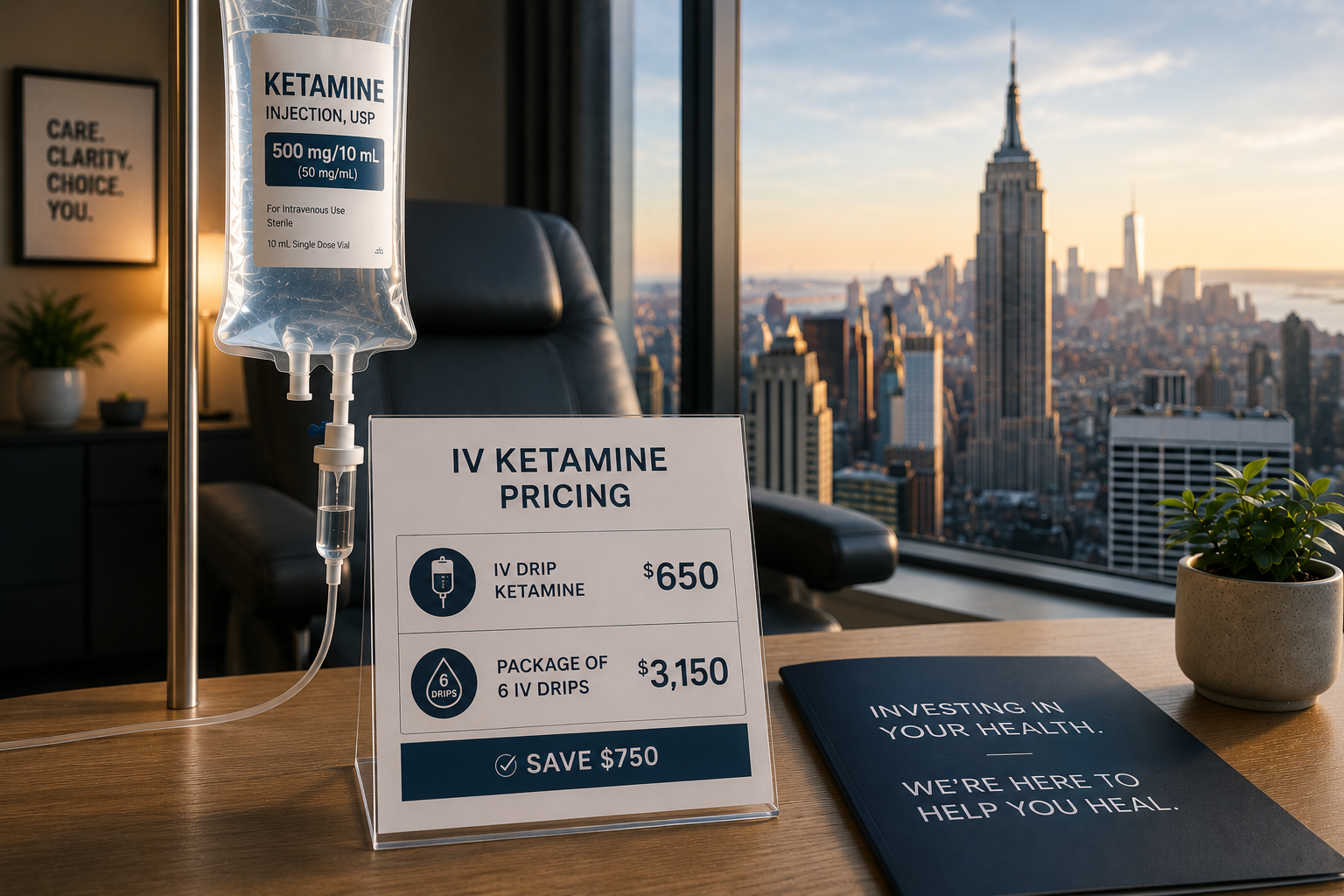
We believe in straightforward numbers. Here is what treatment costs at Ketamine Wellness New York:
Most insurance plans do not currently cover IV ketamine for panic disorder. It is worth contextualizing this cost against what treatment-resistant panic disorder costs annually. That includes psychiatry appointments, prescription fills, and emergency room visits.
Panic disorder patients visit the ER at high rates due to cardiac misinterpretation. It also includes lost work hours and missed life events from avoidance behavior.
For many patients, a six-session course represents a lower total annual cost than continued partial treatment across multiple providers.
Ketamine is a powerful clinical tool, and it is not the right fit for everyone. We recommend a consultation if:
Less ideal candidates include those with very mild panic that responds to lifestyle adjustments alone. Those with active substance use disorders involving dissociatives are also not appropriate candidates.
The safety and side effects overview on our site provides additional clinical detail. We also recommend reviewing our what to expect at your first infusion guide before your consultation.
Ketamine can transiently increase heart rate, which some patients interpret as panic onset. At Ketamine Wellness New York, Dr. Qureshi monitors every session and can slow or pause the infusion right away. Pre-session preparation reduces the risk of misinterpreting dissociation as danger.
Most patients see the best outcomes with six infusions over two to three weeks. This frequency stabilizes the glutamate system and supports lasting neuroplastic changes in the brain’s fear centers.
For panic disorder, yes. IV therapy offers 100% bioavailability and can be stopped instantly if needed. At-home oral ketamine cannot be reversed once ingested, and unsupervised dissociation can intensify panic symptoms rather than relieve them.
Ideal candidates have tried at least one SSRI without adequate response and have panic attacks that limit daily functioning. Patients with active psychosis, uncontrolled cardiovascular disease, or active use of dissociative substances are generally not appropriate candidates.
Ketamine Wellness New York offers an introductory session at $550 and a six-session package for $3,250. Single sessions are $650. Most insurance plans do not cover IV ketamine, but pricing is fully transparent with no hidden fees.
Ketamine is not a cure, but it can produce significant and sometimes sustained reduction in panic attack frequency and anticipatory anxiety. Some patients achieve long-term remission. Others benefit most from ongoing maintenance sessions or combining ketamine with therapy.
At the doses and frequency used in therapeutic infusions, physical dependence is not the primary concern. Dr. Qureshi discusses your full medication history, including current benzodiazepine use, before any treatment begins. The goal for many Ketamine Wellness NY patients is to reduce, not add to, their medication burden.
Many patients notice a reduction in panic frequency and intensity within days of their first infusion. The full benefit typically builds across the six-session series. Individual response varies, and we discuss realistic timelines during your initial consultation.
Panic disorder is exhausting in a specific, quiet way. Not because every moment is a crisis, but because the work of avoiding the next one never stops.
For patients who have navigated the standard care path without full relief, ketamine therapy for panic disorder offers a neurologically distinct reset. It is not a universal solution. But it is a clinically grounded option that many treatment-resistant patients have not yet been offered.
If your panic circuit has not responded to what has come before, a quick talk with Dr. Qureshi is the next step. Schedule a consultation at Ketamine Wellness New York. Our clinics in Queens and Long Island are ready to help you determine whether our IV protocol is the right fit.

Standard treatments for alcohol use disorder help many people. But relapse rates remain high, and
Complex regional pain syndrome (CRPS), also known as reflex sympathetic dystrophy (RSD), sits among the

The infusion ends, the IV comes out, and you start to feel like yourself again.
Ketamine for Sleep: What New York Patients Should Know Poor sleep is exhausting in ways
Note: Names and identifying details have been changed to protect patient privacy. Stories reflect documented

Note: Names and identifying details have been changed to protect patient privacy. Stories reflect documented
The wait is the hardest part. Anxiety makes sleep impossible. Every stressor triggers a physical
Panic disorder does not just feel scary. It quietly reorganizes your entire life around avoidance.
You tried one medication, then another, and continued taking different antidepressants. No results? You adjusted

The room is dark. The blinds are shut. Even soft light sends pain radiating behind

The burning never fully stops. It’s there when you wake up, when you try to
The cost of a single IV ketamine infusion in 2026 typically falls between $400 and
You did the work. You spoke with your psychiatrist, gathered your medication history, submitted the
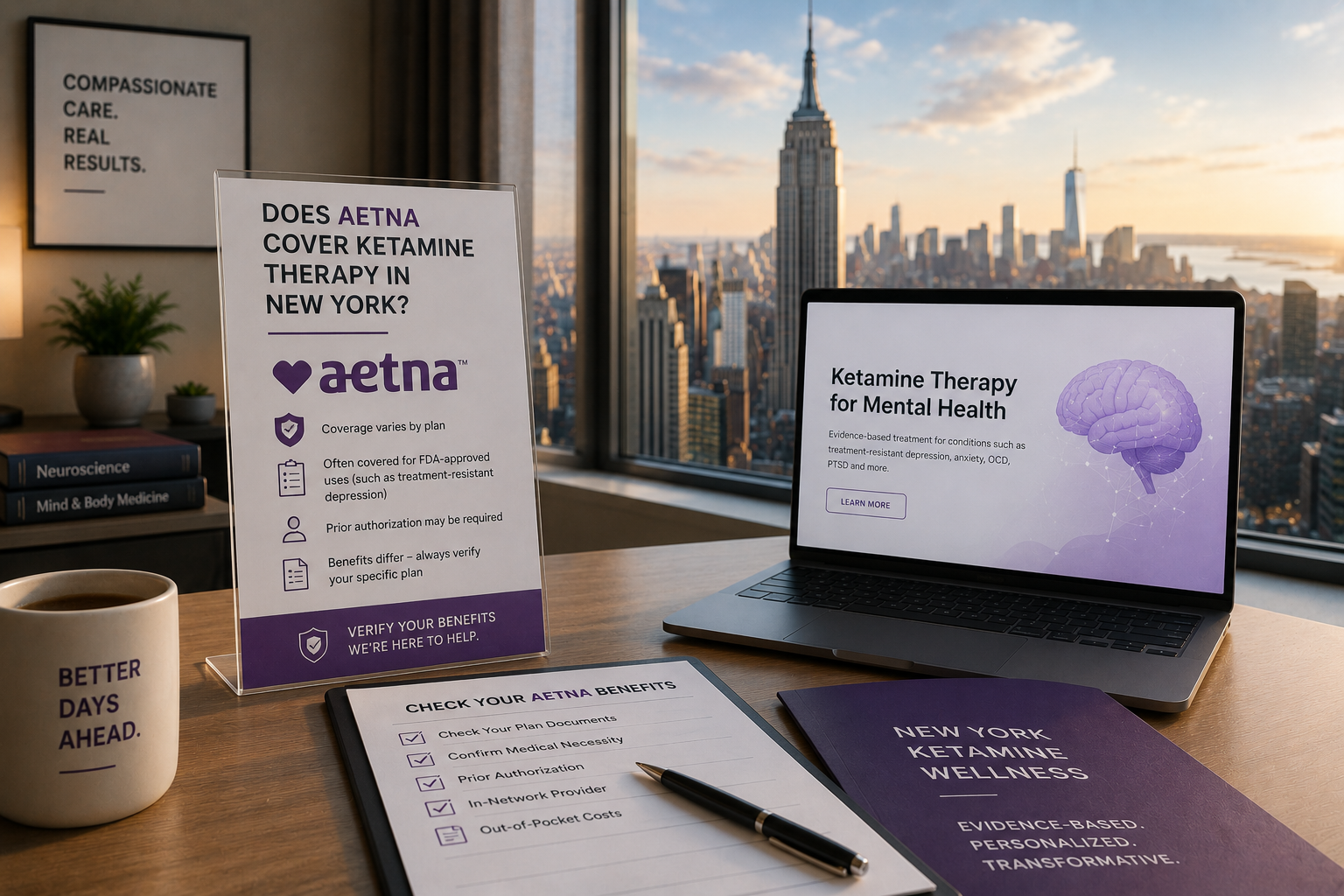
If you have an Aetna plan and you’re considering ketamine therapy for depression in New

Ketamine therapy, particularly in the form of intravenous (IV) infusions, has become a go-to treatment
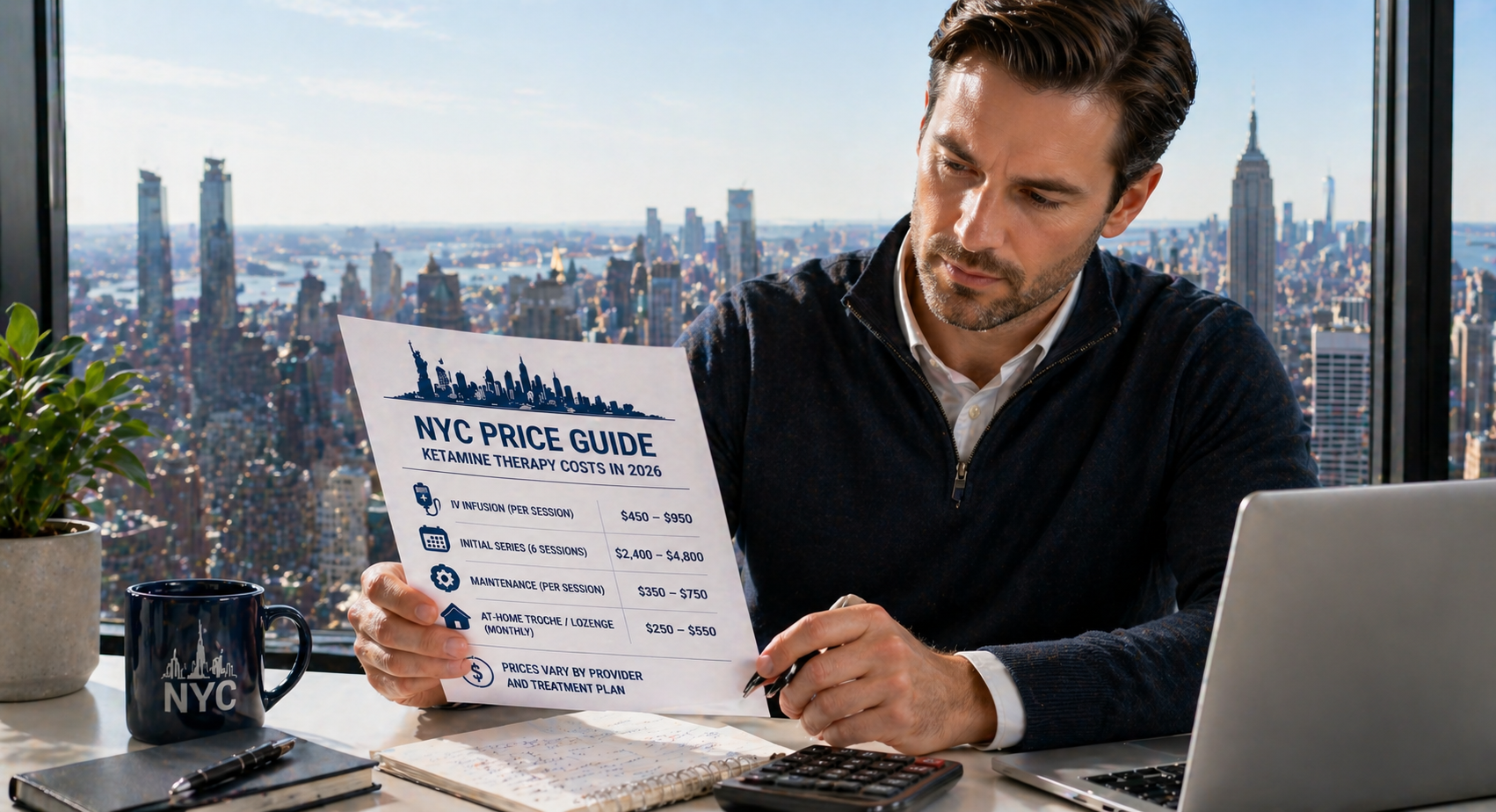
Living in New York City often means paying a premium for everything, from rent to
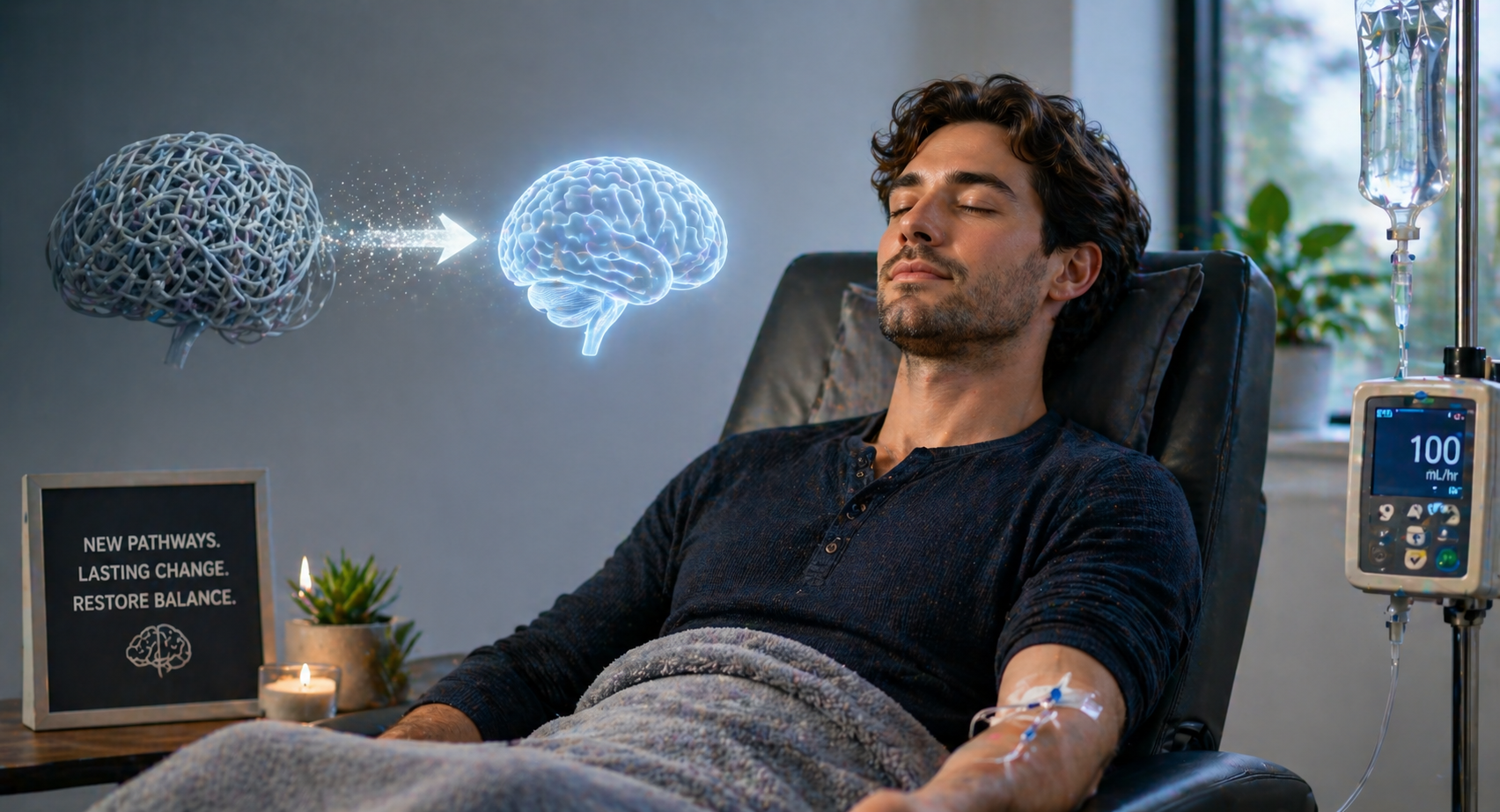
For many individuals living with obsessive-compulsive disorder (OCD), the mind feels like a transmission with

Ketamine therapy is gaining popularity for its ability to alleviate severe depressive symptoms in hours
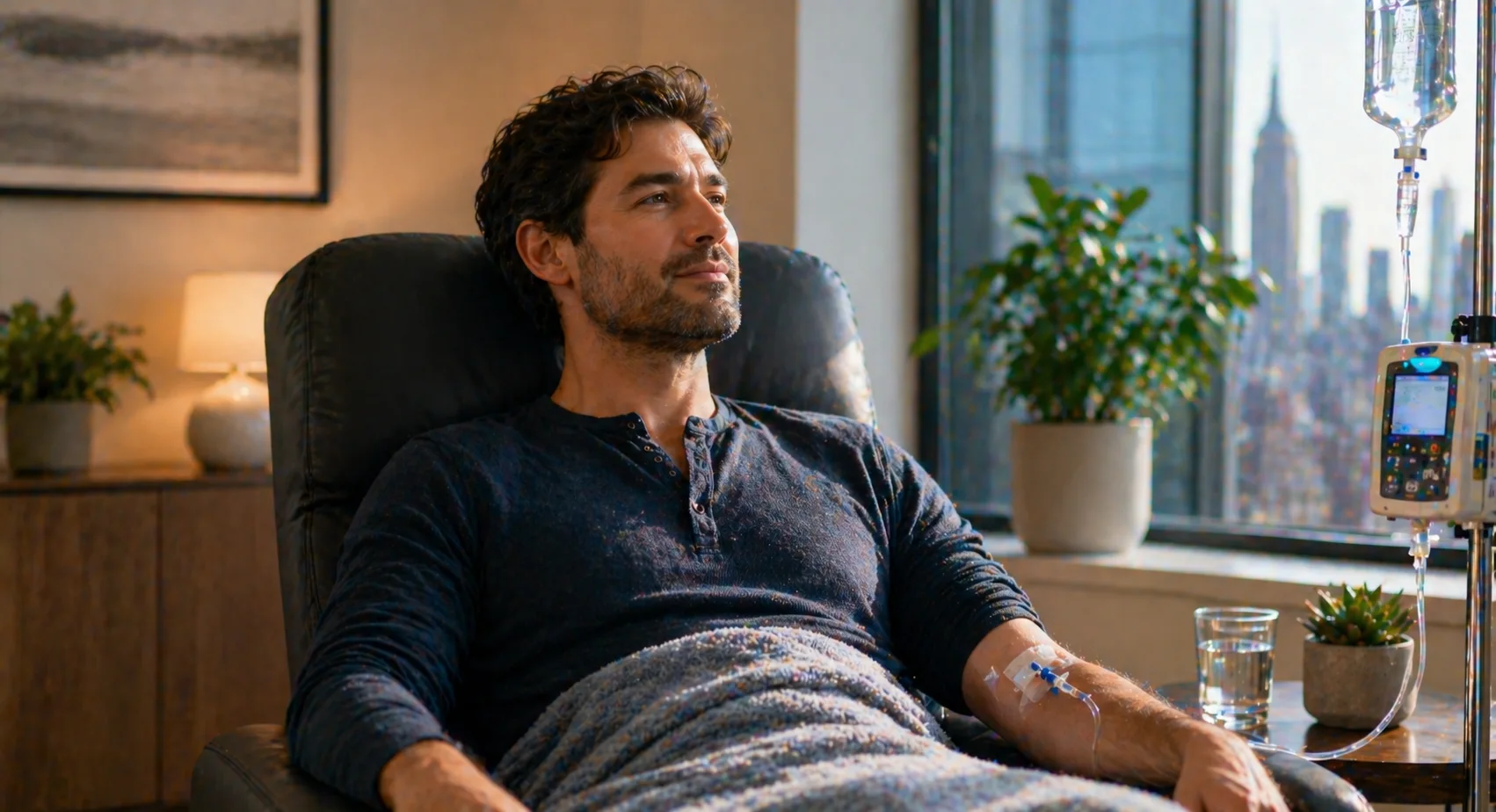
Finding affordable mental healthcare in New York can feel like navigating a maze, especially when

For many, therapy offers a vital path to healing and self-discovery. However, after years of
Thank you for choosing Wellness Clinic. Our specialist care team will contact you within the next 12 hours to confirm your appointment and answer any questions youmay have.
our team will review your message and contact your shortly. we look forward to supporting your wellness journey
Check your phone or email to receive your unique coupon code. You’ll need it when booking your first appointment.
 Optimized by Seraphinite Accelerator