Skip to content
The burning never fully stops. It’s there when you wake up, when you try to sleep, and in every quiet hour in between.
Nerve pain doesn’t behave like a pulled muscle or an inflamed joint. It’s wired into how your nervous system processes signals, and that’s precisely why standard painkillers fall short for so many patients.
Most people with chronic nerve pain have already tried gabapentin, Lyrica, nerve blocks, and physical therapy. Many have cycled through multiple specialists with little sustained relief. That road is exhausting, and the frustration that comes with it is completely valid.
Ketamine for nerve pain works through a different biological mechanism than anything most patients have tried before.
At Ketamine Wellness NY, we offer IV infusions built specifically for neuropathic pain, not mood disorders. We help patients across Queens and Long Island who are ready for a physician-led, clinically grounded approach.
By submitting this form you agree to be contacted via phone/text/email.
Most pain medications target inflammation or block pain receptors temporarily. Ketamine works at the level of neural signaling itself, interrupting the cycle that keeps chronic nerve pain alive.
This distinction matters most for patients who have already tried everything else.
This is why anti-inflammatory drugs rarely help nerve pain. The injury site is not the problem. The nervous system’s response to it is.
Gabapentin and pregabalin attempt to quiet the signal. For many patients with established central sensitization, those drugs offer only partial relief. The amplification cycle continues underneath.
The pain is neurological. The treatment must be too.
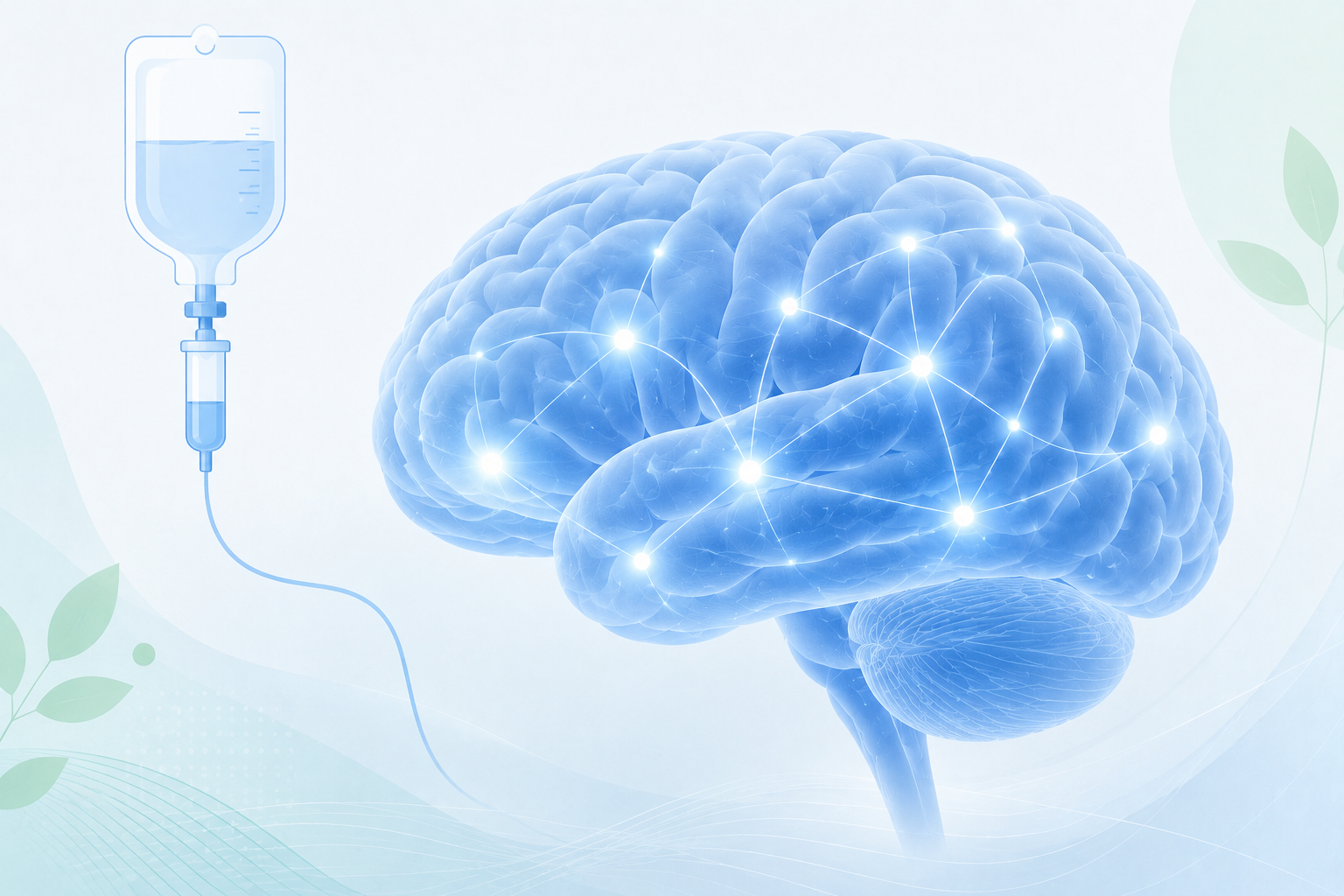
Ketamine is an NMDA receptor antagonist. These receptors drive a process called “wind-up,” the progressive amplification of pain signals with repeated stimulation.
By blocking these receptors, ketamine interrupts that cycle at its source. This is not opioid-based masking. Ketamine works at the level of signal transmission itself.
For chronic pain, clinical protocols typically run at continuous infusion rates of 0.5–2 mg/kg per hour, a range established by the 2018 ASRA/AAPM/ASA consensus guidelines.
The result, for many patients, is a reset. Pain levels drop. Daily function improves. That window of relief is what treatment plans are built around.
Our ketamine infusion protocol is built entirely around neuropathic pain, not just anxiety or depression. Every protocol is calibrated for nerve conditions at the doses and durations pain management requires.
Here are the conditions we treat and why the evidence supports ketamine for each.
Complex Regional Pain Syndrome involves severe burning pain, skin changes, swelling, and extreme sensitivity. It typically follows injury or surgery. The pain is dramatically out of proportion to the original trauma.
CRPS has one of the strongest evidence bases for ketamine. A 2023 narrative review found meaningful relief in 20–65% of CRPS patients, lasting 1–3 months. For patients who have exhausted sympathetic blocks and medication trials, IV ketamine is among the most clinically supported options available.
We assess each CRPS patient individually. Dosing and session length are adjusted based on severity and prior treatment history.
Diabetic peripheral neuropathy produces burning, electric, and tingling sensations in the feet, legs, and hands. These symptoms reflect nerve damage, not inflammation. That is why anti-inflammatory drugs rarely provide meaningful relief.
Ketamine addresses the central sensitization component of diabetic neuropathy. Spinal cord amplification compounds signals from already-damaged peripheral nerves. Drugs like duloxetine or pregabalin do not reach that mechanism. IV ketamine does.
We review each patient’s full diabetic care history before recommending infusion therapy.
Postherpetic neuralgia (PHN) is persistent nerve pain continuing after a shingles outbreak resolves. The varicella-zoster virus damages nerve fibers. In many patients over 60, this produces burning and hypersensitivity lasting months or years.
PHN is a neuropathic pain condition, a strong clinical candidate for ketamine. Research shows pain scores dropping by approximately half on numeric rating scales following ketamine treatment. Standard approaches, gabapentin, tricyclics, topical lidocaine, help some patients. For others, relief stays inadequate.
Ketamine targets the central sensitization keeping PHN active long after the viral episode has resolved.
Fibromyalgia is a central pain syndrome. Pain originates in dysregulated brain and spinal cord processing, not tissue damage. This is why NSAIDs and standard analgesics consistently underperform for fibromyalgia patients.
Ketamine directly targets NMDA-receptor-mediated central sensitization. Patients with significant neuropathic features, widespread hypersensitivity, allodynia, electric sensations, tend to be the strongest responders.
Response rates vary. Candidacy is assessed individually by Dr. Qureshi based on symptom type, severity, and prior treatment history.
A patient in her late 50s came to Ketamine Wellness NY after 4 years of uncontrolled postherpetic neuralgia following shingles. She had already tried gabapentin, amitriptyline, and topical lidocaine with little relief. Her pain averaged an 8 out of 10, sleep was disrupted, and she had stopped driving at night.
Following a six-session induction protocol over three weeks, her NRS score dropped to a 3. She described the change not as an absence of sensation but as a quieting, the signal was still there, but no longer in control of her day.
Not every patient sees this level of improvement. Outcomes vary based on the condition, severity, and duration of central sensitization. The consultation with Dr. Qureshi is designed to assess candidacy before any treatment commitment is made.
Some patients develop persistent post-surgical pain, chronic nerve pain that outlasts the healing process. Nerve damage during surgery can trigger the same central sensitization cycle driving CRPS. Pain continues long after tissue has healed.
Phantom limb pain, the sensation of pain in an amputated limb, is similarly rooted in central nervous system changes. The peripheral source is gone. The neural pattern generating pain is not.
Ketamine has shown clinical utility in both conditions. We conduct thorough screening to determine whether IV infusions are appropriate for your specific presentation.
The unknown is often the hardest part. So, what can you expect during ketamine infusion? Here is an honest walkthrough, from consultation through recovery, so you can make the right decision.
Your first step is a direct consultation with Dr. Qureshi. His background spans internal medicine and clinical training at Brooklyn Hospital, NYU, and Henry J. Carter Specialty Hospital. This is not a generic wellness intake.
We review your full medical history, current medications, prior treatments, and diagnostic records. From there, we determine candidacy, identify contraindications, and build a treatment plan specific to your condition.
Patients with uncontrolled hypertension, certain cardiac conditions, active psychosis, or high-risk substance use histories may not be candidates. That screening exists to protect your outcomes.
“Most nerve pain patients who come to us have already done everything right,” Dr. Qureshi notes.
“They followed the standard protocol, gabapentin, physical therapy, and specialist referrals. The problem is that most treatments do not address what’s actually driving the pain at the neurological level. Our intake process is designed to determine whether ketamine can reach that mechanism in your case, and at what dose.”
Each session runs approximately 40 to 60 minutes. You are seated in a monitored clinical room with vital signs tracked continuously. Dr. Qureshi or qualified clinical staff is present throughout the entire session.
Ketamine for nerve pain is delivered at higher doses than mood disorder protocols. According to the ASRA/AAPM/ASA consensus guidelines on IV ketamine for chronic pain, pain protocols use bolus doses up to 0.35 mg/kg and continuous infusion ranges of 0.5–2 mg/kg per hour — well above what mood-disorder treatments typically require (Cohen et al., Regional Anesthesia & Pain Medicine, 2018). Most wellness-branded providers do not address this distinction. It matters for your outcome.
Most patients experience mild dissociative sensations, a slight shift in perception or time. These are expected and temporary. You remain conscious and communicative throughout.
After the infusion, we observe you before discharge. A responsible adult must drive you home. Plan for a low-key evening, as fatigue is common.
Some patients notice a shift in pain levels within 24 to 48 hours. Others see cumulative improvement across multiple sessions. For nerve pain, we typically recommend a six-session induction protocol over 2–3 weeks, with sessions spaced 1–2 days apart within each week.
After induction, patients who respond well typically return for maintenance infusions every 1–3 months, depending on how long their relief holds. The goal is to extend the window of reduced pain with as few sessions as needed over time.
Patients who respond well can return for maintenance infusions as their condition requires.
Cost is one of the most reasonable questions patients ask before starting. We believe in full transparency, no hidden consultation fees and no estimates that appear only after your first visit.
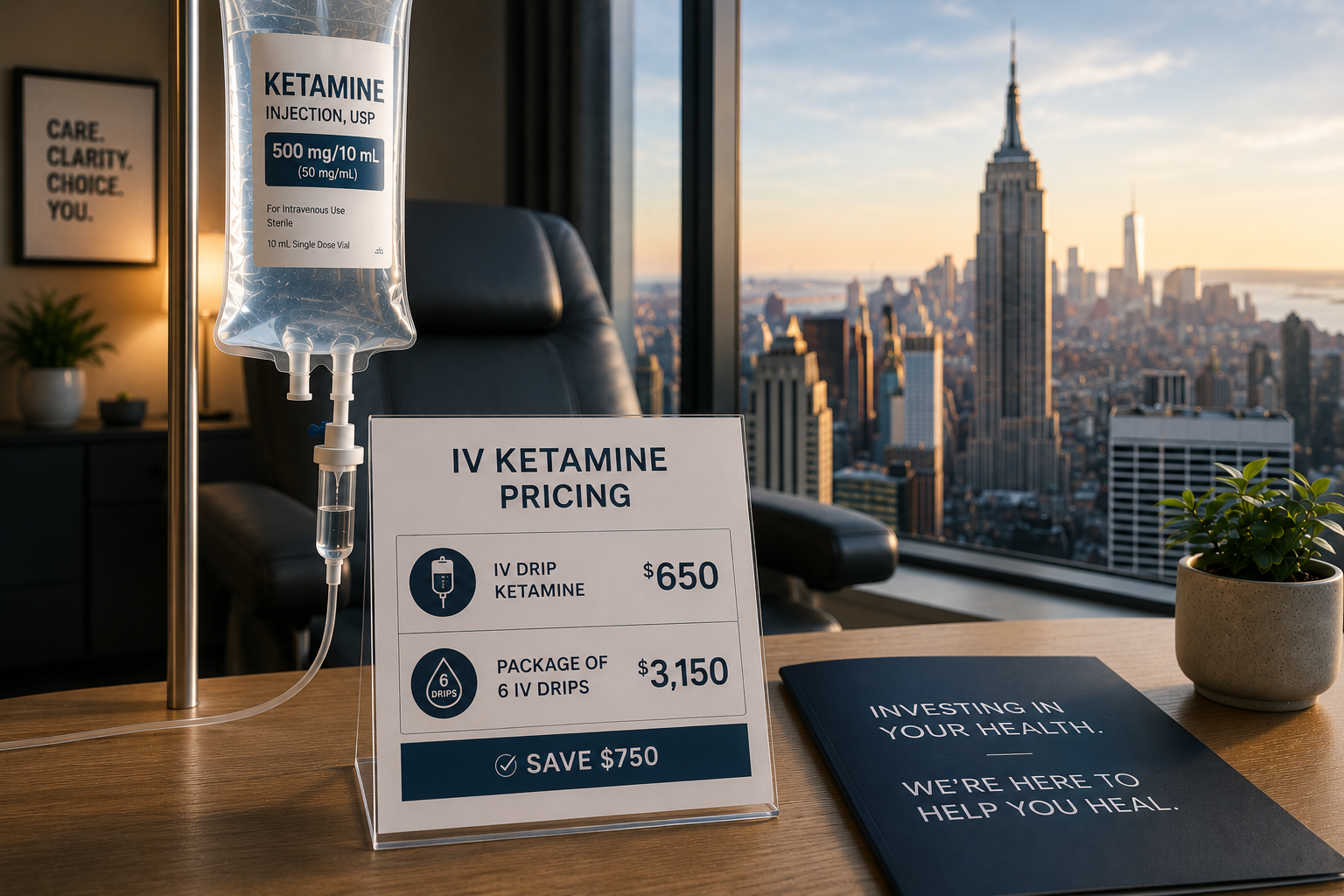
The average IV ketamine infusion in New York City ranges from $400 to $800 per session. At Ketamine Wellness NY, pricing is structured to be accessible for Queens and Long Island patients, without compromising clinical standards.
| Session Type | Ketamine Wellness NY Price |
|---|---|
| IV Drip – Introductory Session | $550 |
| IV Drip – Standard Single Session | $650 |
| Package of 6 IV Drips | $3,250 |
The six-session package brings the per-session cost to $525. It reflects how ketamine treatment for nerve pain actually works, as a protocol, not a single event.
Most carriers classify IV ketamine for chronic pain as experimental. Treatment is typically out of pocket at Ketamine Wellness NY.
We provide superbills after every session. A superbill is an itemized receipt with the clinical codes your insurer needs to evaluate an out-of-network reimbursement claim. Submitting one does not guarantee coverage, but many patients receive partial reimbursement depending on their plan type and deductible status.
For a full walkthrough of how to use a superbill, see our guide on whether ketamine is covered by insurance for NY patients.
Treatment is typically out of pocket. Ketamine Wellness NY provides superbills upon request. Patients may submit these to their insurer for potential out-of-network reimbursement.
It is also worth measuring this against what chronic nerve pain already costs. Specialist co-pays, failed prescriptions, and lost workdays add up significantly.
The ketamine space now ranges from hospital systems to luxury retreat clinics and telehealth apps. Nerve pain requires clinical dosing and continuous monitoring. Where you receive treatment affects your safety and outcome directly.
| Feature | Ketamine Wellness NY (Dr. Qureshi) | Wellness Spas (e.g., Nushama) | Hospital Systems | Telehealth (e.g., Mindbloom) |
|---|---|---|---|---|
| Primary Focus | Clinical Chronic Pain | Mental Wellness / Spirituality | General Acute / Chronic Care | Mood Disorders |
| Provider Type | Board-Certified Physician | Varies (often NP / RN) | MD / Research Faculty | Remote Facilitators |
| Pain Protocol | High-Dose / Nerve-Focused | Mood-Dose Focused | High-Dose / Clinical | Low-Dose Oral Only |
| Cost Per Session | $650 Standard | $400–$800 | $1,000+ | Low (Oral Tablet) |
| Monitoring | Vital Signs + MD Present | Therapeutic “Sitter” | Full Clinical Staff | Self-Monitored |
| Accessibility | Queens / Long Island | Manhattan Flagship | Centralized Hospital | Remote / At-Home |
| Insurance Advocacy | Superbills Provided | Varies | Primary Coverage Possible | Rare |
Dr. Qureshi’s foundation in internal medicine sets Ketamine Wellness NY apart from providers focused on mental health or wellness aesthetics. His hospital-system training informs every protocol at this practice.
Nerve pain requires higher doses than mood disorder protocols. That requires a physician present, not a therapeutic sitter. At Ketamine Wellness NY, dosing, monitoring, and structure are built entirely around pain patients.
We are a physician-led practice in Queens. Patients across Long Island reach us without traveling into Manhattan or relying on self-monitored remote care.
Clinical reviews indicate that between 20% and 65% of CRPS patients experience meaningful pain relief lasting one to three months. These results are often achieved after a series of infusions tailored to the patient’s specific pain intensity and history.
While many Manhattan clinics charge between $600 and $900 per session, Ketamine Wellness New York offers a $550 introductory rate and a package of six sessions for $3,250. This pricing is designed to make high-quality clinical care accessible for Queens and Long Island residents.
When administered by a board-certified physician with continuous vital sign monitoring, as at Ketamine Wellness NY, ketamine infusions carry a well-documented safety profile. As with any medical treatment, candidacy screening exists to identify contraindications before therapy begins.
While individual results vary, many patients report significant pain reduction for weeks or even months following a full protocol. Research shows approximately 50% of neuropathic pain patients maintain long-term relief, with pain scores dropping by roughly half on standard rating scales at four or more weeks post-treatment.
Yes, you remain conscious throughout the treatment, though you will likely enter a deeply relaxed, dream-like state known as dissociation. Our medical team monitors you the entire time to ensure you remain comfortable and calm during the experience.
Relief duration varies by condition and patient. Many experience meaningful pain reduction for 4–12 weeks after a six-session protocol. Some patients maintain longer relief, while maintenance infusions every 1–3 months may help extend results.
Most major insurance carriers classify IV ketamine for chronic pain as experimental and do not cover it. Treatment at Ketamine Wellness NY is typically out of pocket. We provide superbills after every session for potential out-of-network reimbursement submission.
The main difference is dosing. Nerve pain protocols use higher doses and longer infusions to interrupt central sensitization, while depression protocols use lower doses focused on mood pathways and neuroplasticity.
Chronic nerve pain is one of the most undertreated conditions in modern medicine. Not because options don’t exist but because most patients never reach the right one.
If conventional treatments have fallen short, ketamine for nerve pain may be worth a direct conversation with a physician who specializes in this area.
Schedule a consultation at Ketamine Wellness NY. Find out whether you are a candidate, and take one clear step toward relief.

Standard treatments for alcohol use disorder help many people. But relapse rates remain high, and
Complex regional pain syndrome (CRPS), also known as reflex sympathetic dystrophy (RSD), sits among the

The infusion ends, the IV comes out, and you start to feel like yourself again.
Ketamine for Sleep: What New York Patients Should Know Poor sleep is exhausting in ways
Note: Names and identifying details have been changed to protect patient privacy. Stories reflect documented

Note: Names and identifying details have been changed to protect patient privacy. Stories reflect documented

The wait is the hardest part. Anxiety makes sleep impossible. Every stressor triggers a physical

Panic disorder does not just feel scary. It quietly reorganizes your entire life around avoidance.

You tried one medication, then another, and continued taking different antidepressants. No results? You adjusted

The room is dark. The blinds are shut. Even soft light sends pain radiating behind
The burning never fully stops. It’s there when you wake up, when you try to
The cost of a single IV ketamine infusion in 2026 typically falls between $400 and

You did the work. You spoke with your psychiatrist, gathered your medication history, submitted the
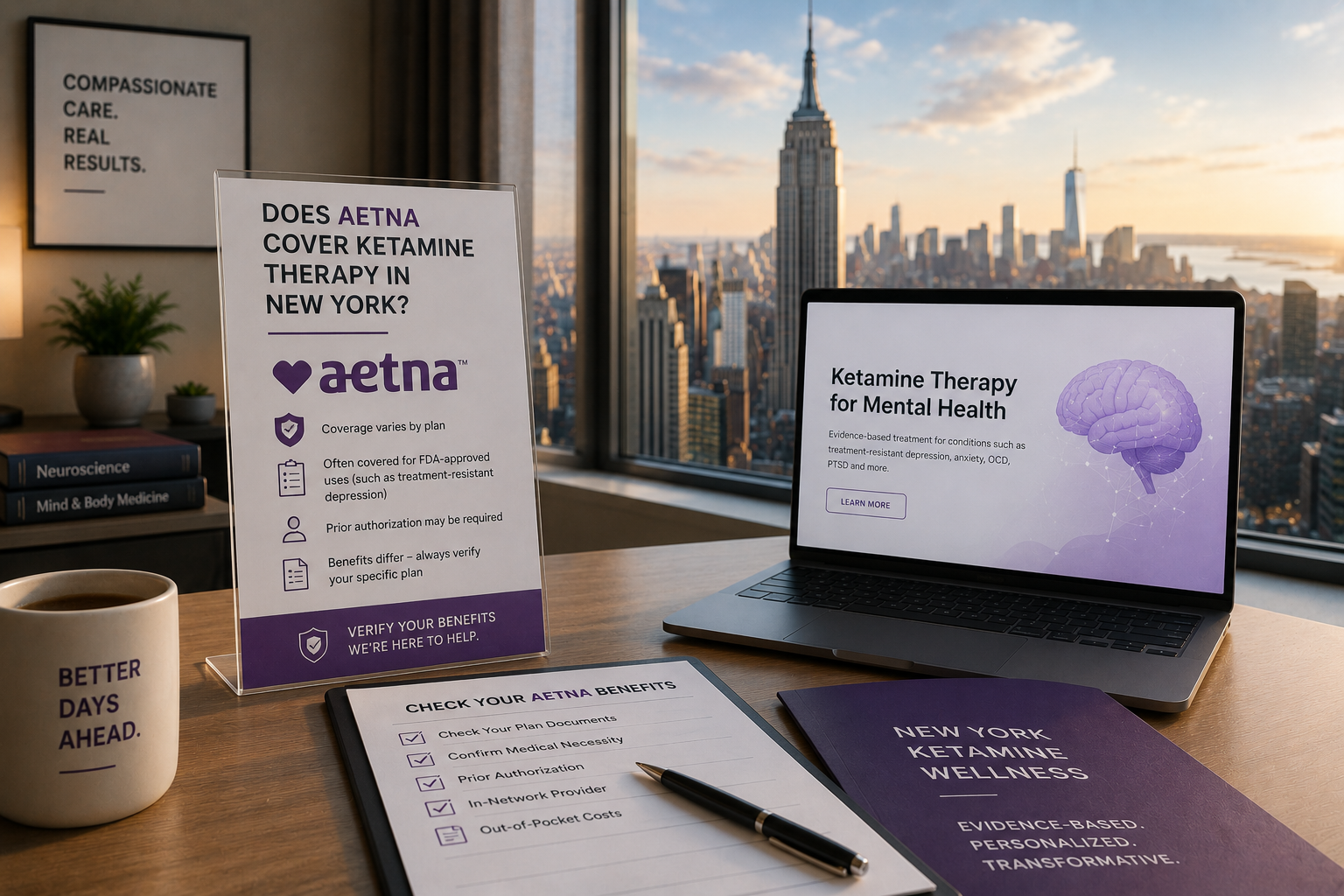
If you have an Aetna plan and you’re considering ketamine therapy for depression in New

Ketamine therapy, particularly in the form of intravenous (IV) infusions, has become a go-to treatment

Living in New York City often means paying a premium for everything, from rent to
For many individuals living with obsessive-compulsive disorder (OCD), the mind feels like a transmission with

Ketamine therapy is gaining popularity for its ability to alleviate severe depressive symptoms in hours

Finding affordable mental healthcare in New York can feel like navigating a maze, especially when

For many, therapy offers a vital path to healing and self-discovery. However, after years of
Thank you for choosing Wellness Clinic. Our specialist care team will contact you within the next 12 hours to confirm your appointment and answer any questions youmay have.
our team will review your message and contact your shortly. we look forward to supporting your wellness journey
Check your phone or email to receive your unique coupon code. You’ll need it when booking your first appointment.
 Optimized by Seraphinite Accelerator