Skip to content
Ketamine therapy is gaining popularity for its ability to alleviate severe depressive symptoms in hours rather than weeks, but patients wonder if these rapid results are long-lasting. While a single intravenous (IV) infusion can provide an immediate “window of opportunity” by quieting suicidal ideation and heavy emotional fog, lingering relief is built through a cumulative clinical process. Providing ketamine IV therapy in Queens and Long Island, Ketamine Wellness NY is keen to help patients in transitioning from short-term respite to long-term stability.
By submitting this form you agree to be contacted via phone/text/email.
Ketamine is unique in the psychiatric landscape because it bypasses the traditional serotonin-based pathways of SSRIs (selective serotonin reuptake inhibitors). Instead, it targets glutamate, the brain’s most abundant chemical messenger, to create rapid changes in mood and cognition.
This speed creates a paradox: patients may feel significantly better after one session, yet that single dose is rarely enough to sustain a lifetime of remission. At Ketamine Wellness NY, we educate patients on the difference between a temporary mood lift and the deep biological healing of the brain.
A single sub-anesthetic dose provides a temporary reprieve, but the brain requires repeated exposure to essentially lock in these neurological changes. Think of the first session as opening a door; the subsequent sessions ensure the door remains open.
To manage expectations and maximize success, it is helpful to view ketamine therapy through three distinct chronological phases. Each phase serves a specific biological purpose in the journey toward mental wellness.
The most famous attribute of ketamine is its ability to “turn off” the heavy noise of depression almost instantly. Patients experience a dramatic reduction in suicidal ideation and the heavy fog of treatment-resistant depression within hours of their first appointment. This rapid response is why ketamine is increasingly used in emergency psychiatric interventions.
Studies highlighted in PubMed Central (2025) confirm that a single dose can reduce suicidal ideation for up to 30 days. However, while the thoughts of self-harm may subside, the underlying major depressive symptoms often require more intensive work to resolve fully. This initial window provides the breathing room necessary for a patient to engage with the rest of their treatment plan.
The induction phase is where the real work of “brain rewiring” happens. The standard of care in 2026 dictates a series of six to eight infusions over a period of two to three weeks. This frequency is designed to capitalize on the cumulative effect, where each ketamine dose for depression builds upon the neural repairs started by the previous one. This phase is about establishing a new baseline for the brain’s emotional processing.
Once the induction series is complete, the goal shifts to maintaining the gains achieved. The maintenance phase involves periodic booster sessions that act as a tune-up for the brain’s neural connections. For some, these boosters are needed every two weeks; for others, they may be spaced three months apart.
Data from the Journal of Affective Disorders (2022) shows that patients who complete a standard induction have a 78.3% probability of retaining their “responder” status at the 28-day mark. Maintenance is not a sign that the treatment is failing, but rather a proactive strategy to prevent relapse.
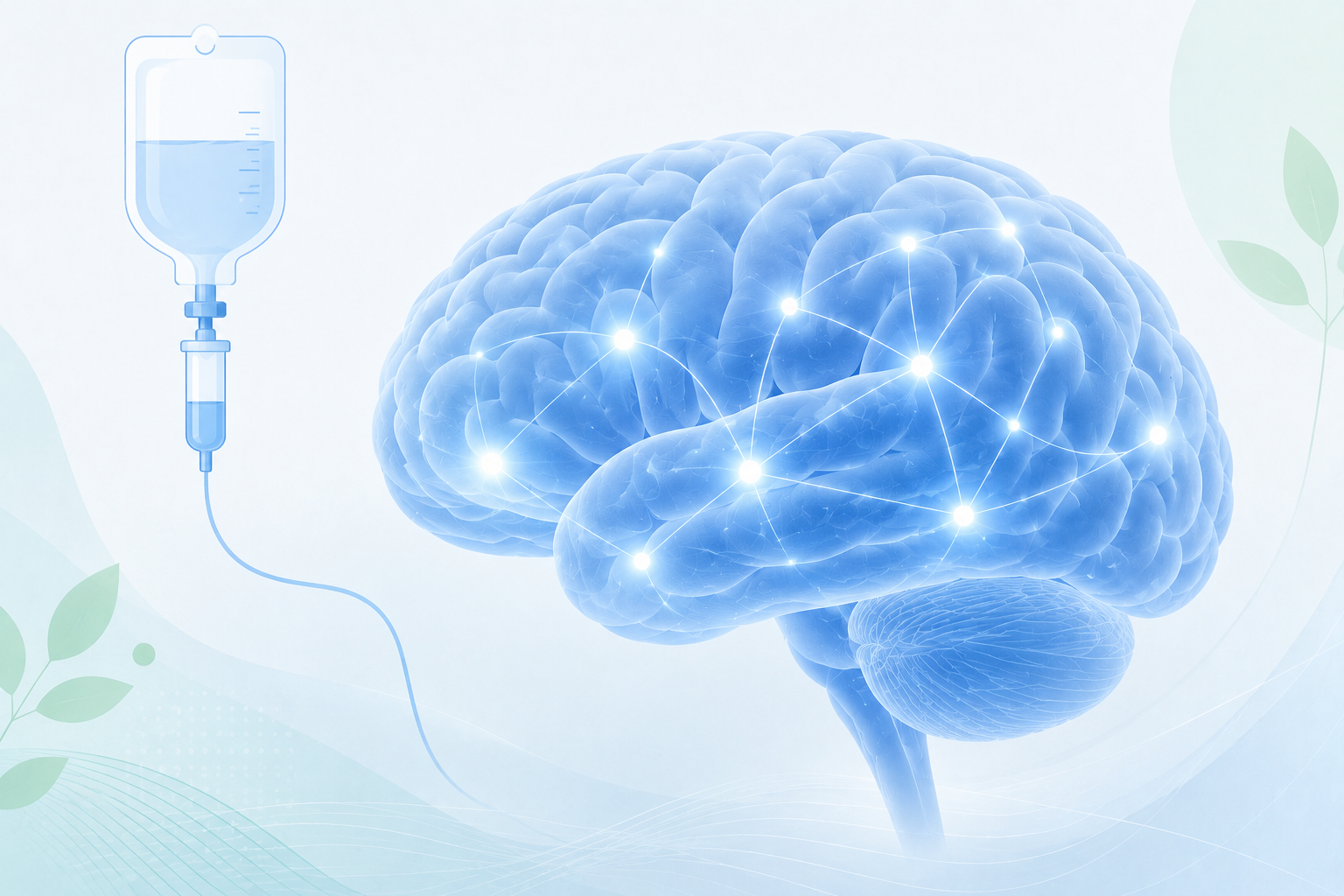
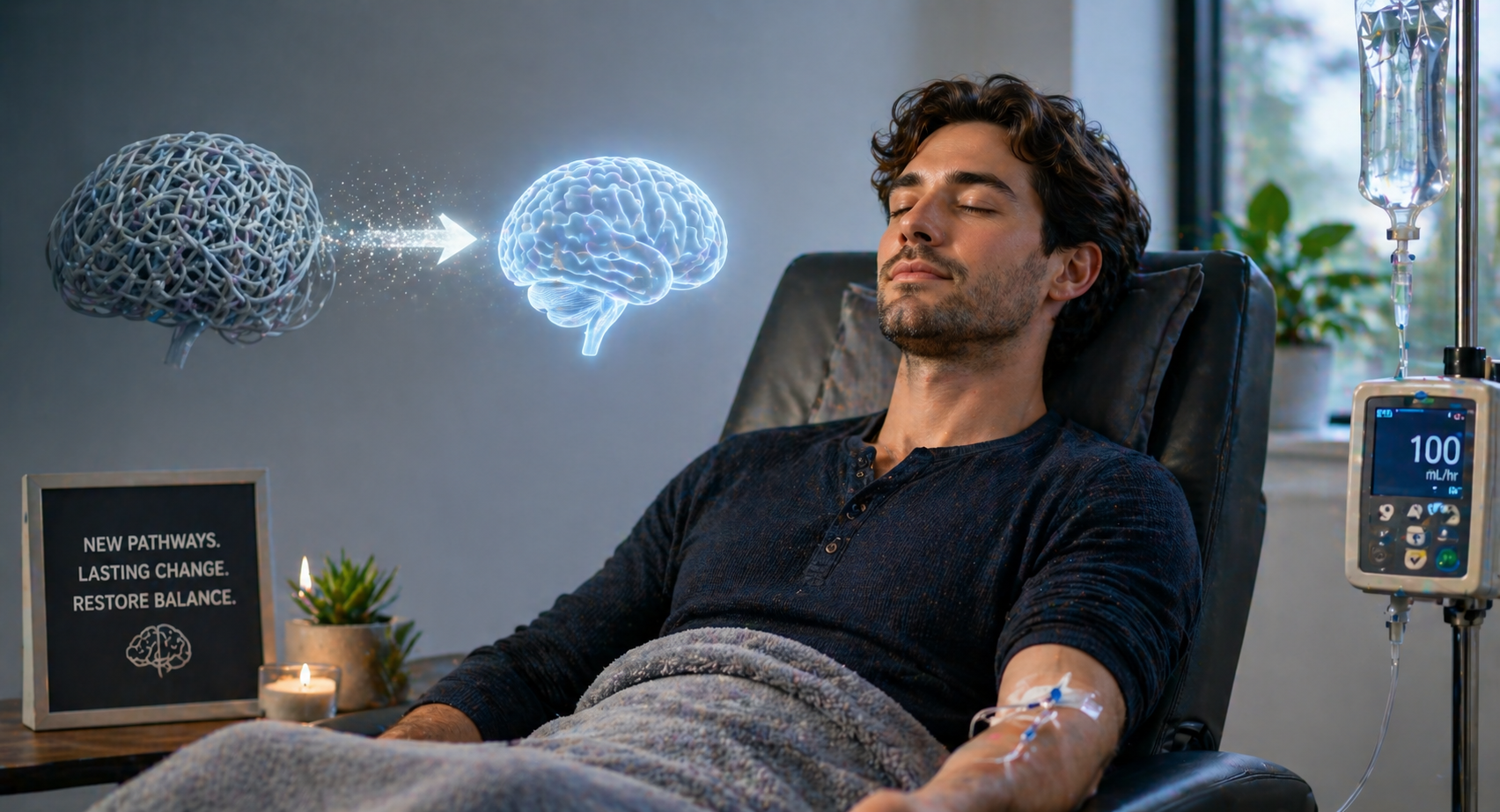
To understand why ketamine’s impact lasts longer than the drug stays in your system, you must look at what happens at the cellular level. Ketamine stays in the bloodstream for only a few hours, yet its antidepressant effects can last for weeks. This is due to a biological process known as synaptogenesis, which is the growth of new connections between neurons.
Ketamine triggers the release of BDNF, a protein that scientists consider “Miracle-Gro” – a fertilizer brand – for the brain. In a depressed brain, the synaptic branches often look withered or disconnected due to chronic stress and inflammation. BDNF helps these branches grow back and form new, healthy connections.
This surge in BDNF and the subsequent activation of the mTOR (mechanistic target of rapamycin) pathway peak within 24 to 48 hours post-treatment. This creates a window of neuroplasticity where the brain is more adaptable and resilient than usual. By utilizing this window through therapy and healthy lifestyle choices, patients can effectively stretch the duration of their ketamine benefits.
Ketamine Wellness NY focuses on IV delivery because it allows for 100% bioavailability, ensuring the brain receives the concentration needed to trigger this neuroplastic threshold. This precision is difficult to achieve with other forms of delivery, such as oral lozenges or nasal sprays.
The duration of effects is heavily dependent on the precision of the ketamine dosage for depression. A known sweet spot is typically around 0.5 mg/kg of body weight administered over 40 minutes. This protocol is based on the dose-response research that established IV ketamine’s antidepressant profile (Translational Psychiatry, 2020).
If the ketamine dose is too low, the brain may not reach the threshold required to trigger BDNF release and synaptic growth. Conversely, a dose that is too high can lead to excessive dissociation without providing additional antidepressant benefits.
At Ketamine Wellness NY, every session is monitored to ensure that dosing is titrated to the individual’s needs. This level of medical supervision allows for mid-session adjustments that maximize the therapeutic window.
Maximizing the longevity of ketamine therapy requires more than just showing up for infusions. The 48 hours following a session are a critical period for integration, where the brain is most receptive to change. Patients who actively engage in their recovery during this time often see longer-lasting results.
Using the neuroplastic window to meet with a therapist can help cement new perspectives and coping mechanisms. Because the brain is physically more flexible, the breakthroughs made in therapy during this time are more likely to stick.
Lifestyle factors also play a major role in neuroplasticity. Prioritizing high-quality sleep, staying hydrated, and engaging in light physical activity can provide the metabolic support the brain needs to build new synapses. Ketamine Wellness NY encourages patients to view these 48 hours as a sacred time for healing and reflection.
Ketamine therapy offers a revolutionary timeline for relief, moving from immediate symptom reduction to long-term neurological healing. While the effects of a single dose are significant, the true power of the treatment lies in the cumulative six-session induction series and the strategic maintenance phase.
“Ketamine is an incredible medicine for those who suffer from anxiety, depression, chronic pain, and OCD. If you have exhausted other resources for relief, this may be something to try that will change your mental state.” – Ketamine Wellness NY patient
If you are ready to move beyond the cycle of traditional antidepressants, our teams in Queens and Long Island are here to help. Contact Ketamine Wellness NY today to schedule your consultation.
Most patients experience a noticeable lift in mood or a reduction in suicidal thoughts within two to 72 hours of their first infusion. However, the most stable and long-lasting improvements typically occur after the fourth session of an induction series.
The evidence-based standard is a series of six to eight infusions over two to three weeks. This frequency is necessary to trigger the cumulative synaptic growth required for long-term remission.
Not necessarily, but patients find that periodic boosters help maintain their progress. The goal is to eventually space the sessions further apart as the brain becomes more resilient and healthy habits are established.
Utilize the 48-hour window of plasticity after each session for therapy, meditation, and healthy lifestyle choices. Prioritizing sleep and hydration supports the biological process of brain healing.
DISCLAIMER
If you have any medical questions or concerns, please talk to your healthcare provider. The articles on our website are based on information drawn from medical research, societies, and governmental agencies. However, they are not a substitute for professional medical advice, diagnosis, or treatment.

Standard treatments for alcohol use disorder help many people. But relapse rates remain high, and
Complex regional pain syndrome (CRPS), also known as reflex sympathetic dystrophy (RSD), sits among the

The infusion ends, the IV comes out, and you start to feel like yourself again.

Ketamine for Sleep: What New York Patients Should Know Poor sleep is exhausting in ways
Note: Names and identifying details have been changed to protect patient privacy. Stories reflect documented

Note: Names and identifying details have been changed to protect patient privacy. Stories reflect documented

The wait is the hardest part. Anxiety makes sleep impossible. Every stressor triggers a physical

Panic disorder does not just feel scary. It quietly reorganizes your entire life around avoidance.

You tried one medication, then another, and continued taking different antidepressants. No results? You adjusted

The room is dark. The blinds are shut. Even soft light sends pain radiating behind

The burning never fully stops. It’s there when you wake up, when you try to
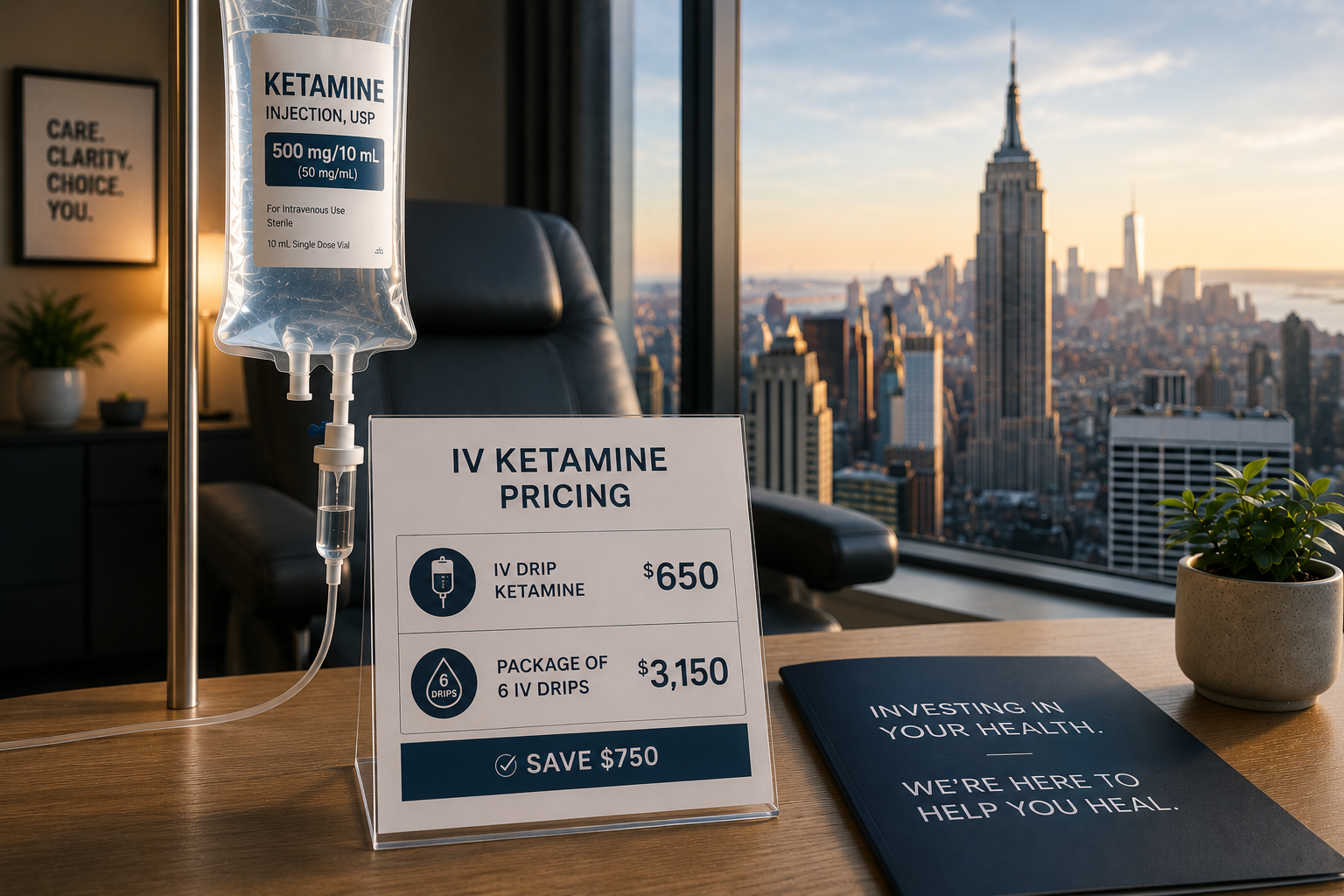
The cost of a single IV ketamine infusion in 2026 typically falls between $400 and

You did the work. You spoke with your psychiatrist, gathered your medication history, submitted the
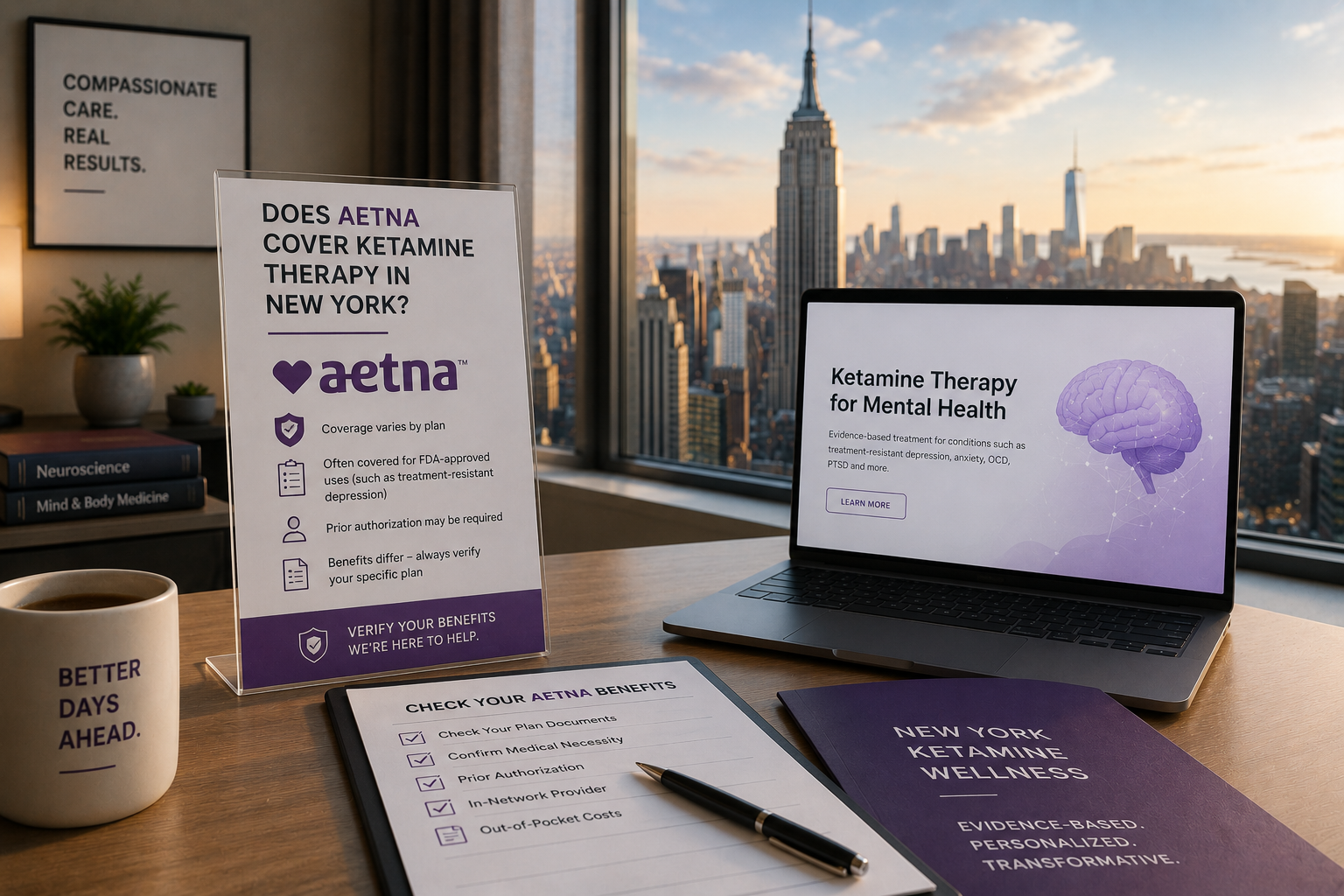
If you have an Aetna plan and you’re considering ketamine therapy for depression in New

Ketamine therapy, particularly in the form of intravenous (IV) infusions, has become a go-to treatment

Living in New York City often means paying a premium for everything, from rent to
For many individuals living with obsessive-compulsive disorder (OCD), the mind feels like a transmission with
Ketamine therapy is gaining popularity for its ability to alleviate severe depressive symptoms in hours

Finding affordable mental healthcare in New York can feel like navigating a maze, especially when

For many, therapy offers a vital path to healing and self-discovery. However, after years of
Thank you for choosing Wellness Clinic. Our specialist care team will contact you within the next 12 hours to confirm your appointment and answer any questions youmay have.
our team will review your message and contact your shortly. we look forward to supporting your wellness journey
Check your phone or email to receive your unique coupon code. You’ll need it when booking your first appointment.
 Optimized by Seraphinite Accelerator