
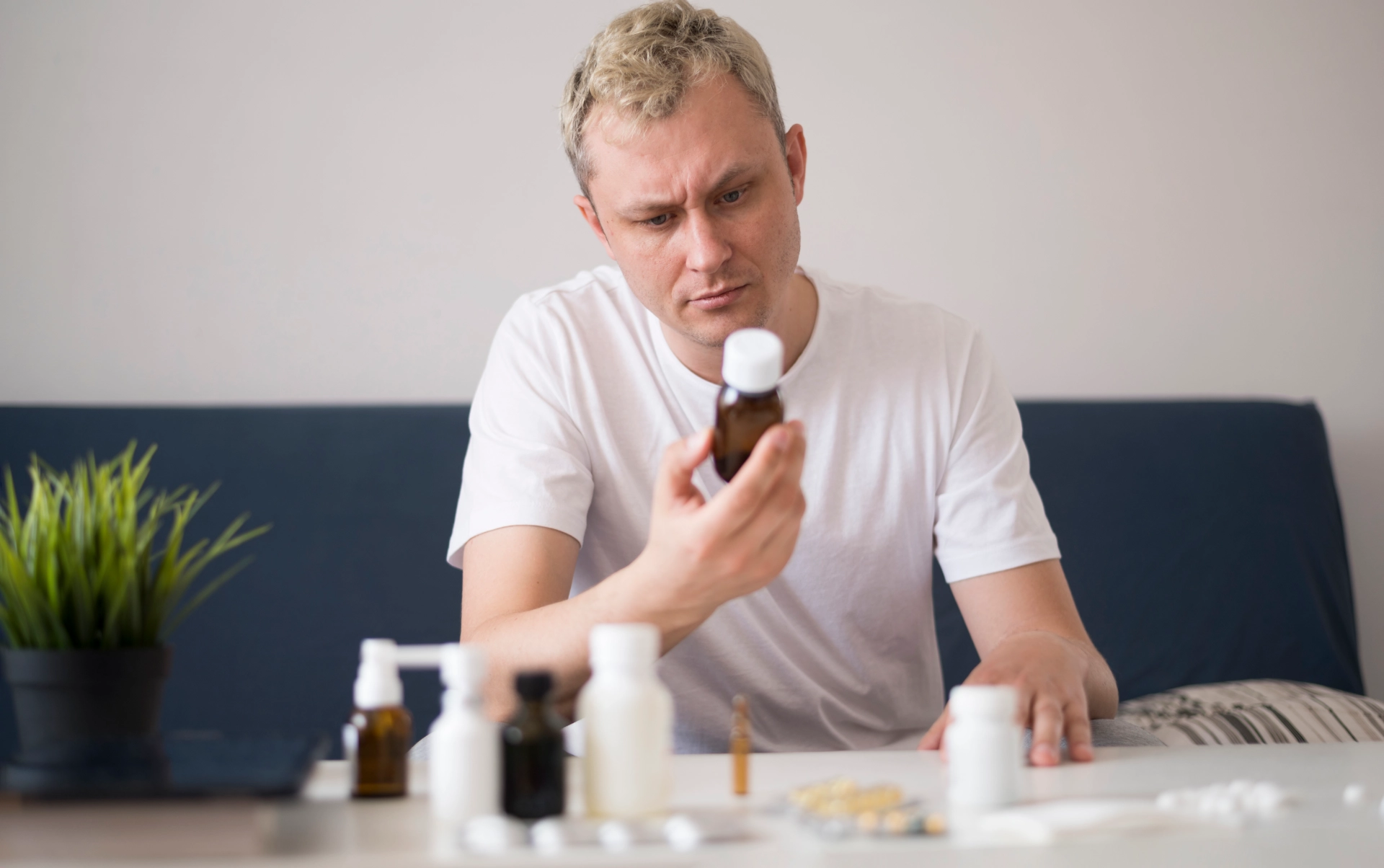
If you’ve experienced the profound frustration, exhaustion, and despair of depression that simply won’t respond to treatment, you are not alone. Many spend years trying different medications and therapies, only to feel helpless or even blame themselves. Know this: it’s not your fault, and you are not ‘untreatable’. Treatment-resistant depression (TRD) is a distinct, biological phenomenon, not a personal failing.
TRD occurs when two or more antidepressants fail to provide relief. While traditional drugs target serotonin, ketamine modulates glutamate to repair damaged neural connections and promote synaptic growth. This approach provides rapid, biological relief for those whose depression won’t go away with standard medication.
By submitting this form you agree to be contacted via phone/text/email.
Treatment-resistant depression describes a form of major depressive disorder (MDD) where an individual does not achieve an adequate response after trying two or more distinct antidepressant treatments. This definition acknowledges the persistent struggle many face even after conscientiously following treatment plans. It is a clinical term, not a judgment of personal effort or willpower.
The impact of TRD is significant, affecting 30-48% of adults with MDD, with a US prevalence of 30.9% among those treated with medication. This translates to approximately 2.8 million adults in the US, or 1.1% of the adult population, living with this challenging condition.
The emotional landscape of TRD is often fraught with exhaustion, self-blame, isolation, and the disheartening fear of being untreatable. After multiple attempts with different medications and therapies, many worry that there’s something inherently wrong with them or that relief is simply not possible.
It’s crucial to clarify what TRD does not mean. It is not hopeless, it is not permanent, and it is certainly not a sign of personal weakness or failure. TRD is a complex biological phenomenon, and understanding its mechanisms can empower individuals to seek appropriate, specialized care.
For decades, the understanding of depression largely centered on the “monoamine hypothesis,” focusing on imbalances in neurotransmitters like serotonin, norepinephrine, and dopamine. Traditional antidepressants, such as SSRIs (selective serotonin reuptake inhibitors), were developed to increase the availability of these chemicals in the brain. While effective for many, this approach has limitations.
Serotonin accounts for less than 20% of the neurotransmitters in the brain. The vast majority, around 80%, are regulated by GABA and glutamate. This imbalance in focus means that for some individuals, simply boosting serotonin may not address the underlying neurobiological issues contributing to their depression.
The biological reality of TRD often involves disrupted glutamate signaling, impaired neuroplasticity, and rigid neural networks. Intense stress, a common factor in depression, can alter glutamate signaling, making neurons less adaptable and hindering their ability to communicate effectively.
This can create a vicious cycle where stress and depression make it harder for the brain to process and cope with negative events. After multiple antidepressant treatments, only about two-thirds of individuals will experience even a partial response, leaving a significant 15-30% classified as having TRD.
Ketamine offers a fundamentally different mechanism of action compared to traditional antidepressants. It is a dissociative anesthetic that works upstream of symptoms, by promoting synaptic growth and enhancing brain flexibility. This novel approach addresses the core biological issues often seen in TRD.
Ketamine’s action begins with its antagonism of NMDA (N-methyl-D-aspartate) receptors, which are crucial for brain cell communication. This antagonism triggers what’s known as a “glutamate burst” – a rapid, controlled release of glutamate. This surge initiates a complex cascade of events in the brain, including the activation of AMPA (𝛼-amino-3-hydroxy-5-methyl-4-isoxazolepropionic acid) receptors.
The cascade ultimately promotes synaptic growth and neuroplasticity. It stimulates the brain to form new neural connections, essentially remodeling the brain’s physical structure. This process makes the brain more adaptable and able to create new pathways, enabling patients to develop more positive thoughts and behaviors.
This restorative effect had not been observed with traditional antidepressants. Ketamine Wellness NY’s ketamine therapy provides a medically supervised environment where this treatment can be administered, offering an opportunity for brain recalibration.
The speed of action is another profound benefit for those suffering from TRD. Traditional antidepressants can take weeks to show any effect, a disheartening wait for someone who has endured years of symptoms. In contrast, ketamine can provide rapid relief. In several studies, more than half of participants with severe depression who hadn’t improved with standard treatments showed a significant decrease in symptoms within 24 hours.
While ketamine therapy offers significant promise for TRD, it is essential to be aware of potential side effects and contraindications. The treatment is conducted in a controlled medical environment precisely because of these factors. Common and typically transient side effects include dizziness, intoxication, sedation, and temporary elevation of blood pressure. Some individuals may experience headache, blurred vision, anxiety, nausea, or vomiting.
Certain individuals are not suitable candidates for ketamine therapy. It is generally used with caution or avoided entirely in people with a history of psychosis, schizophrenia, or severe uncontrolled hypertension. Teenagers, pregnant or breastfeeding individuals, and older adults with dementia are also typically excluded. A thorough medical evaluation is vital to determine eligibility.
Living with treatment-resistant depression can be an incredibly isolating and disheartening experience. However, understanding TRD as a biological phenomenon, rather than a personal failing, opens the door to new and effective treatment approaches. Ketamine therapy represents an important advancement, offering a novel mechanism to rebuild brain connections and provide rapid relief.
Empower yourself by consulting with your healthcare provider to discuss a TRD diagnosis and whether ketamine therapy could be a suitable option for you. Take the next step toward understanding and addressing your depression, knowing that a new chapter of healing may be within reach.
A Ketamine Wellness NY patient shares: “At first, I was very skeptical and scared to try ketamine, but after numerous failed treatment approaches, I thought I’d give it a try. Since I’ve taken ketamine, I feel so much better… I feel more positive and safe, which is a huge success for me.”
What is treatment-resistant depression?
TRD is a major depressive disorder that has not responded adequately after a patient has tried two or more different antidepressant medications at appropriate doses and durations. It is a biological condition, not a personal failure.
How does ketamine work differently than traditional antidepressants?
Traditional antidepressants primarily target neurotransmitters like serotonin. Ketamine, however, acts on glutamate receptors, triggering a “glutamate burst” that promotes the growth of new neural connections and enhances brain plasticity, effectively remodeling neural networks.
Is ketamine therapy safe for depression?
When administered in a carefully monitored medical setting by qualified clinicians, ketamine therapy is considered safe for eligible patients. Strict screening protocols and post-treatment observation are crucial to manage potential, typically transient, side effects.
How quickly can ketamine therapy provide relief?
One of ketamine’s most significant benefits is its rapid onset of action. Many patients with severe depression experience a significant reduction in symptoms within 24 hours of treatment, unlike traditional antidepressants that can take weeks to show effect.
DISCLAIMER
If you have any medical questions or concerns, please talk to your healthcare provider. The articles on our website are based on information drawn from medical research, societies, and governmental agencies. However, they are not a substitute for professional medical advice, diagnosis, or treatment.

For many, therapy offers a vital path to healing and self-discovery. However, after years of

New York City’s relentless pulse can at times push its residents to the brink. The

Navigating the bustling rhythm of New York City can make even routine tasks feel like

Embarking on a journey with ketamine therapy can be a significant step toward mental wellness,

Imagine a snow-covered hill where sledders have repeatedly carved deep, unchanging ruts, making it nearly

Treatment-resistant depression (TRD) can leave many exhausted and without hope after conventional treatments fail. When

Experiencing severe anxiety or post-traumatic stress disorder (PTSD) can feel like an unending struggle, especially

Considering ketamine therapy in New York City can feel overwhelming, with a growing number of

Living with chronic pain can be an isolating and debilitating experience, often leading to a

The growing hope for ketamine therapy in treating conditions like depression and chronic pain is
If you’ve experienced the profound frustration, exhaustion, and despair of depression that simply won’t respond

Anxiety impacts millions, leading many to seek relief through medications like benzodiazepines. While effective for

Selective serotonin reuptake inhibitors (SSRIs) have long been a known antidepressant, while ketamine has emerged

Experiencing physical shaking, trembling, tightness, or nausea due to anxiety can be distressing and often

It can be largely disheartening when you’ve followed all the advice, taken your antidepressant as

Obsessive-compulsive disorder (OCD) is a challenging condition that significantly impacts the lives of those who

Living with chronic pain can often feel like you are alone, especially when traditional treatments

Anxiety impacts millions of people across the United States, and New Yorkers are no exception.

For those managing depression, finding effective treatment options can be a long and challenging process.

Ketamine therapy is emerging as a transformative treatment for mental health conditions, offering relief when
Thank you for choosing Wellness Clinic. Our specialist care team will contact you within the next 12 hours to confirm your appointment and answer any questions youmay have.
our team will review your message and contact your shortly. we look forward to supporting your wellness journey
Check your phone or email to receive your unique coupon code. You’ll need it when booking your first appointment.