Key Takeaways
- Treatment-resistant depression impacts a significant portion of individuals with major depressive disorder.
- Ketamine offers rapid antidepressant effects by boosting neuroplasticity and creating new neural connections in the brain.
- The treatment journey involves initial assessment, careful medical supervision, and often psychotherapy for sustained benefits.
How Ketamine Rewires the Brain
Treatment-resistant depression describes a form of major depressive disorder where individuals do not respond adequately to at least two different antidepressant medications. In the US, nearly 3 million adults are said to be suffering from TRD. For those with this condition, the limitations of traditional treatments can be profoundly discouraging. The emotional and societal burden is immense, often leading to prolonged suffering and impaired quality of life. Exploring new approaches, such as ketamine therapy, can offer renewed hope and a different pathway to healing.
Unlike traditional antidepressants, which primarily target serotonin, norepinephrine, or dopamine, ketamine operates through a unique mechanism. It primarily interacts with the glutamate system, the brain’s most abundant excitatory neurotransmitter. This distinct action sets it apart from conventional medications. Ketamine rapidly increases neuroplasticity, promoting the growth of new neural connections, or synapses, in the brain.
Essentially, ketamine creates a period where the brain becomes more flexible, better able to adapt to new stimuli, and more open to changes in thinking patterns. This synaptic reset can lead to rapid improvements in mood and cognition. The process also involves the activation of certain receptors, influencing pathways that contribute to the brain’s ability to repair and reorganize itself.
Ketamine Therapy’s Benefits and Efficacy
One of the most compelling aspects of ketamine therapy is its ability to provide rapid relief from depressive symptoms. Patients often experience antidepressant effects within hours or days, a significant difference compared to traditional antidepressants that can take weeks to show results. This swift action can be life-changing, especially for those experiencing severe or acute depression.
Studies highlight ketamine’s high response and remission rates for TRD. For instance, a 2025 Harvard study indicated that intravenous (IV) ketamine produced a 49.22% reduction in depression scores. Meanwhile the University of Michigan’s Bio-K study found that more than half of severely ill, actively suicidal patients achieved clinical remission after just three ketamine sessions over 11 days.
Navigating the Treatment: What to Expect
Embarking on ketamine therapy involves a structured process designed to ensure patient safety and optimize outcomes. Understanding each step can help alleviate anxieties and prepare you for what’s ahead.
The first step is a thorough medical and psychiatric evaluation to determine if ketamine therapy is suitable for you. This assessment helps identify who is a good candidate and screens for any contraindications, such as a history of psychosis, uncontrolled high blood pressure, or certain cardiovascular conditions. Your medical history, current medications, and previous treatments will be reviewed in detail.
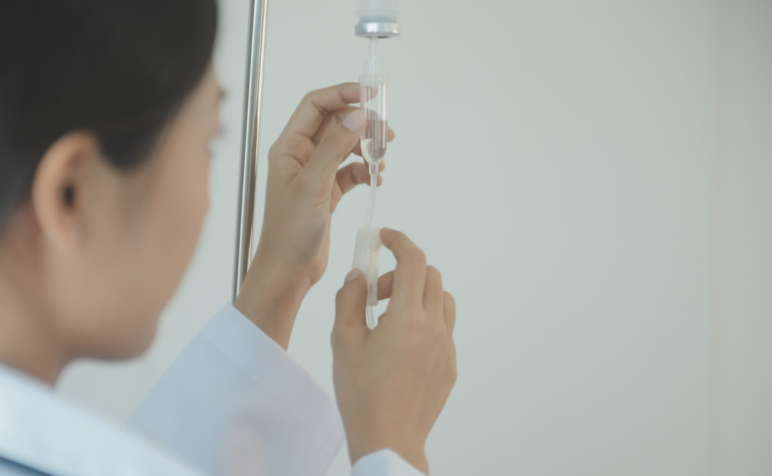
As for the infusion itself, expect to be in a comfortable, supervised setting. The session typically lasts around 50 minutes, during which you’ll receive a carefully monitored dose of ketamine. Medical professionals will continuously monitor your vital signs, ensuring your safety and comfort throughout the experience.
Notably, ketamine therapy involves an induction phase and a maintenance phase. The goals are to achieve significant symptom reduction, establish a foundation for continued improvement, and sustain the antidepressant effects and prevent relapse. Ketamine therapy can also be integrated with psychotherapy, with ketamine-assisted psychotherapy significantly enhancing long-term outcomes.
As for side effects associated with ketamine therapy, most are temporary and resolve shortly after treatment. Common effects include dissociation, dizziness, nausea, and increased blood pressure or heart rate. These are closely monitored by qualified professionals during and immediately after your session.
Hope for Treating TRD Using Ketamine Therapy
For those who have found traditional depression treatments ineffective, ketamine therapy presents a compelling and scientifically supported alternative. Its unique mechanism of action, rapid efficacy, and potential for long-term relief offer a renewed sense of hope. Contact Ketamine Wellness NY today to learn more about ketamine therapy for TRD.
FAQs
What is treatment-resistant depression?
TRD is a major depressive disorder that has not responded adequately to at least two different antidepressant medications.
How does ketamine therapy work in the brain?
Ketamine therapy works by rapidly increasing neuroplasticity and promoting new neural connections (synapses) in the brain, primarily through boosting the neurotransmitter glutamate and activating certain receptors.
What are the common side effects of ketamine therapy?
Common temporary side effects include dissociation, dizziness, nausea, and an increase in blood pressure or heart rate during the treatment session.
DISCLAIMER
If you have any medical questions or concerns, please talk to your healthcare provider. The articles on our website are based on information drawn from medical research, societies, and governmental agencies. However, they are not a substitute for professional medical advice, diagnosis, or treatment.