Quick answer: Yes, ketamine can cause short-term anxiety but it is typically transient. In clinical settings, a minority of patients experience anxiety during their infusion. Most cases resolve within 5–10 minutes once the drip is slowed or stopped. Persistent post-treatment anxiety is rare and tied to specific, identifiable risk factors covered below.
Something feels off mid-session. Your heart rate picks up. The room feels distant. You wonder if something is going wrong.
For some patients receiving ketamine therapy, this experience is real. This does not mean the treatment is failing. It means your nervous system is responding to a powerful neurochemical shift, and understanding that shift changes everything.
In this blog, we’ll cover what causes anxiety during infusions. We’ll explain who carries higher risk and how our clinical team manages it in real time.
Please Enter Your Information Here
By submitting this form you agree to be contacted via phone/text/email.
Key Takeaways
Ketamine can cause short-term anxiety in a minority of patients, it is a known side effect, not a treatment failure
Most in-session anxiety resolves within 5–10 minutes of slowing or stopping the IV drip
Patients with PTSD, panic disorder, or unprocessed trauma carry higher risk and need tailored screening
IV administration allows real-time dose adjustment. IM and nasal routes do not
Rebound anxiety in the 24–72 hours post-infusion is part of the integration window, sustained worsening beyond that requires provider contact
Can Ketamine Cause Anxiety During An Infusion?
Yes, anxiety during a ketamine infusion is a known, documented side effect.
So if you are wondering, does ketamine cause anxiety or does ketamine make you anxious, the honest answer is: it can, for some people, temporarily. It is part of the dissociative experience, not a sign the treatment is wrong for you.
Standard IV ketamine dosing for mental health sits around 0.5 mg/kg over 40 minutes. At that dose, the drug enters a dissociative range. Most patients experience this as detachment or dreamlike calm. A minority find it unsettling.
There are three distinct anxiety types worth separating:
Pre-session anticipatory anxiety — nervousness before the drip even starts
Intra-infusion anxiety — tied directly to dissociation during the session
Post-infusion rebound anxiety — occurring hours to days after treatment
When an infusion stops, ketamine clears the system quickly. According to Oxford Health NHS, anxiety typically settles within 5–10 minutes of stopping the infusion. Its short elimination half-life means drug-linked anxiety resolves fast.
One more point worth stating clearly. Most patients receiving ketamine therapy for anxiety see their symptoms improve, not worsen. The minority who experience transient in-session anxiety are the exception, not the rule.
Can Ketamine Cause Panic Attacks?
The research here contains a real paradox. A common question we hear is: can ketamine therapy cause anxiety or panic during a session?
A 2022 systematic review by Hartland et al. found single-dose ketamine actually reduced panic and irritability in GAD and social anxiety patients. The effects lasted up to two weeks. Ketamine, broadly, helps with panic.
But a small subset of patients experience a panic episode mid-infusion. Understanding why this happens is more useful than dismissing it.
Why Does A Panic Episode Happen Mid-Session?
Ketamine’s dissociative state can be read by the nervous system as a threat signal. Patients with PTSD or panic disorder are most likely to experience this. The altered perception brings buried emotional material closer to the surface.
Mid-session panic typically presents as tachycardia, escalating derealization, or a sudden sense of losing control. It feels alarming at the moment but is also manageable.
The IV Advantage In Real Time
With IV ketamine administration, the drip can be slowed or stopped immediately, and anxiety resolves within minutes.
Research from Aust et al. (2019) found a correlation between high in-session anxiety and reduced antidepressant response, though this does not apply to every patient. We share this not to discourage, but because honest information builds better outcomes.
For deeper coverage, see our guide to ketamine and panic attacks. Patients managing panic disorder will also find condition-specific context there.
Why Does Ketamine Sometimes Trigger Anxiety? The Dissociation Link
Anxiety and dissociation share the same neurochemical root. To understand one, you need to understand the other.
NMDA Receptors and What Happens In The Brain
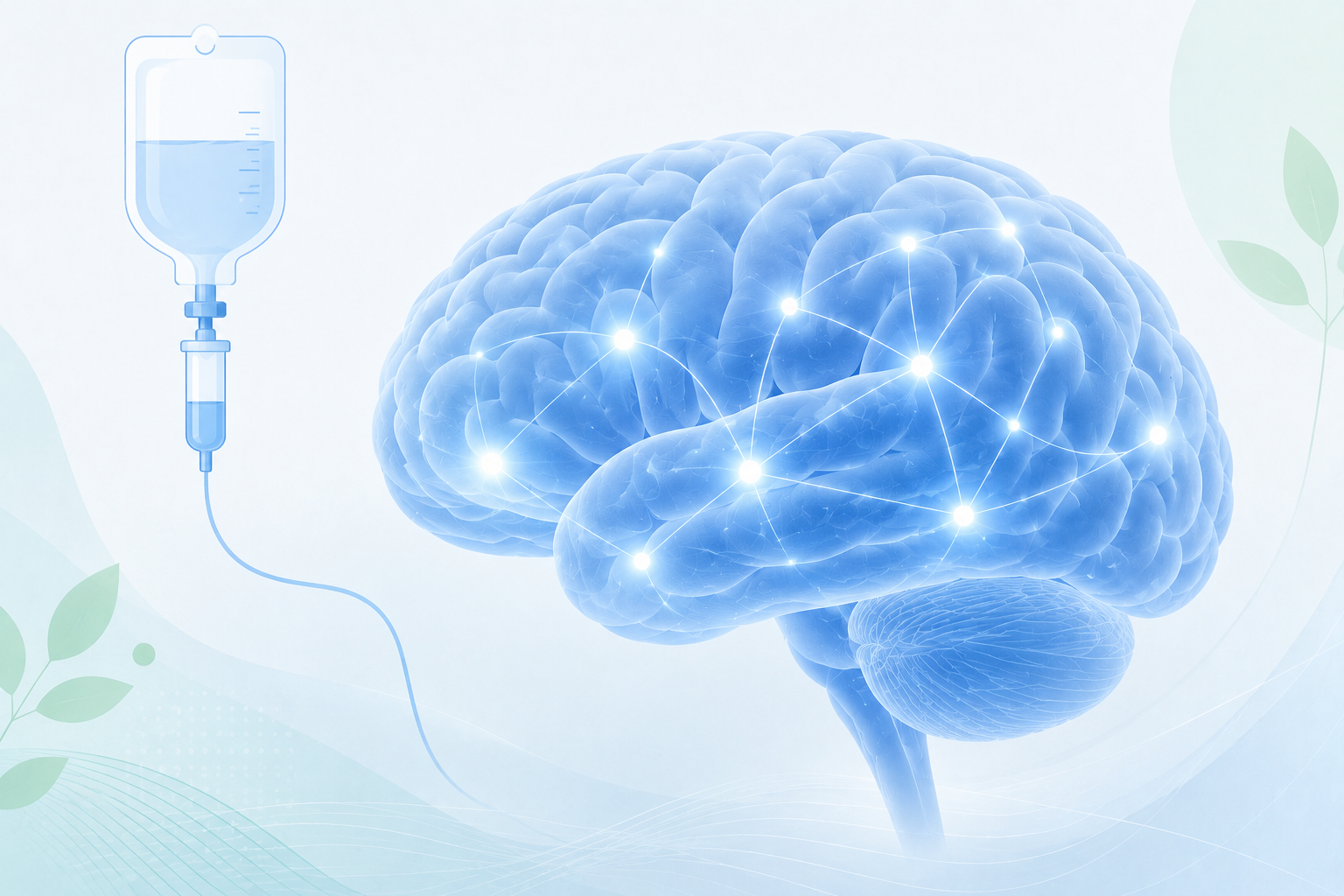
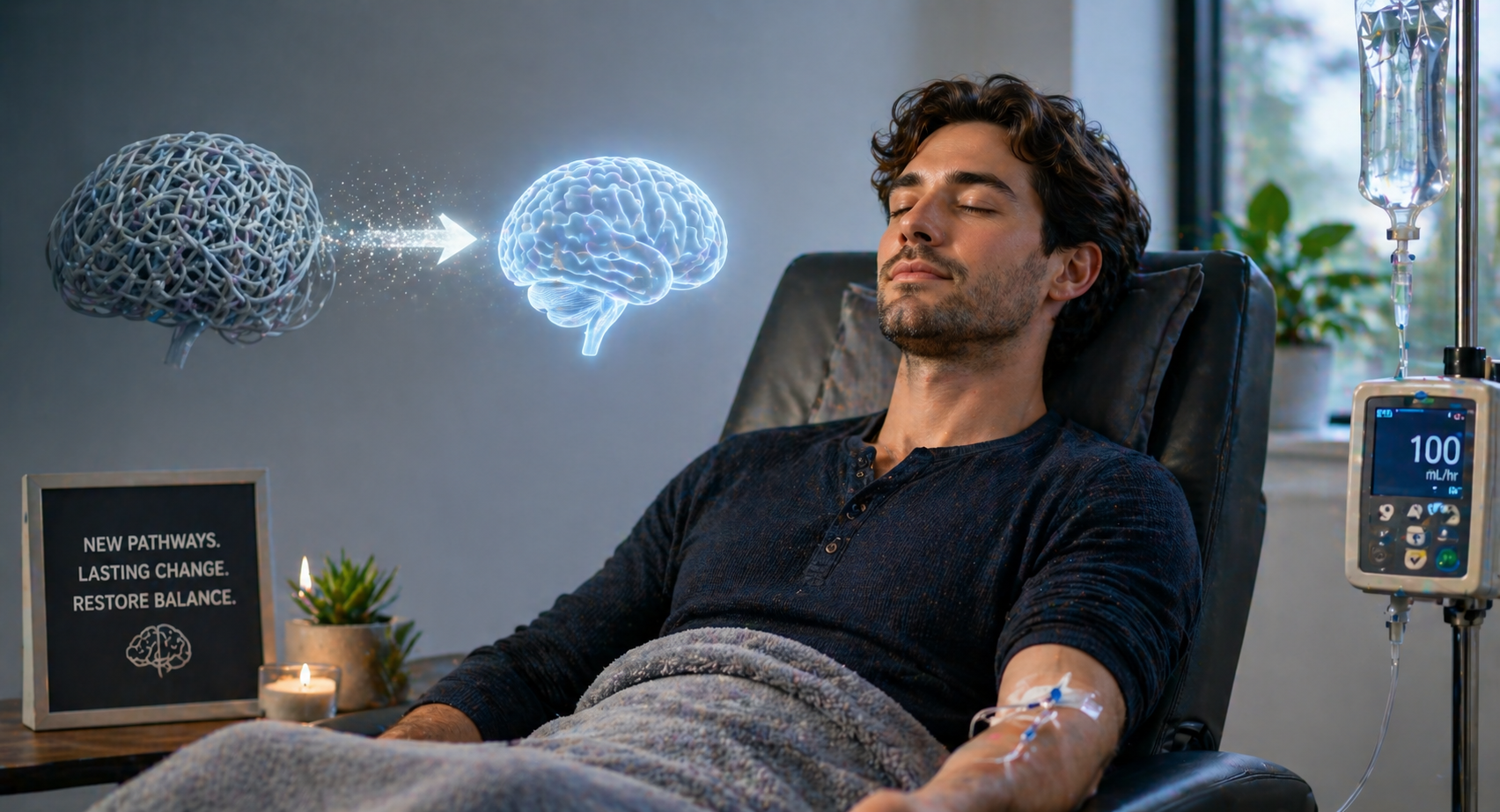
According to a 2024 review in Neuropsychopharmacology, ketamine blocks NMDA receptors on inhibitory neurons. This causes a brief surge in glutamate, which drives new synaptic connections, the core therapeutic mechanism.
That same neurochemical shift produces dissociation, a sense of detachment from the body or surroundings. For most patients this is neutral or pleasant. For some, it registers as alarming.
This is called the anxiety paradox of ketamine. Rapid, glutamate-driven neuroplasticity is what makes ketamine effective. It is also what can briefly destabilize unprepared patients. A PMC review on ketamine’s neuroplasticity mechanism covers this in clinical depth.
Set, Setting, and The Clinical Principle Behind It
Mindset and environment shape the infusion experience more than most patients realize. A calm clinical setting, dimmed lights, familiar staff, clear expectations, significantly reduces anxiety risk. Feeling rushed or unheard has the opposite effect.
Emerging evidence supports integration: talk-therapy after infusions reduces adverse experiences. Preparation and follow-up are part of effective treatment, not extras.
Who Is Most At Risk? Risk Factors For Ketamine-Induced Anxiety
Not all patients carry equal risk. Several factors increase the likelihood of anxiety during or after an infusion. We screen for all of these before treatment begins.
Pre-Existing Panic Disorder or Severe Anxiety
Patients with active panic disorder are more likely to interpret dissociation as a threat. This is not a contraindication. It does require careful screening, lower starting doses, and close monitoring in early sessions.
Unprocessed Trauma or PTSD
Dissociation can surface trauma material without warning. Without integration support, this can feel deeply destabilizing. Ketamine-assisted psychotherapy is specifically designed for this population and significantly changes the risk profile.
First-Time Infusion
Anticipatory anxiety before a first infusion is normal. It typically fades by the second or third session as the experience becomes familiar. Knowing what to expect is the single biggest factor in tolerating early sessions.
Individual Sensitivity and Pharmacogenetics
Some patients metabolize ketamine more slowly or respond more intensely to standard doses. Early sessions function partly as calibration. The clinical team refines the dosing plan based on the patient’s real response.
Dose and Infusion Rate
Higher mg/kg doses or faster delivery increase dissociation intensity and raise anxiety risk. We always start conservatively and titrate based on real-time response.
Environment and Clinical Setting
Bright lights, noise, or lack of privacy can elevate baseline arousal before an infusion begins. Our protocols specifically address this. Patients set lighting and sound preferences before every session starts.
Pre-Session State
Caffeine, sleep deprivation, and acute stress all amplify intra-infusion anxiety risk. We advise patients to treat the day before an infusion like preparation, not a regular workday.
Concurrent Medications
Some stimulants and certain antidepressants may interact with ketamine’s pharmacological profile. Pre-screening disclosures exist to catch these before they become in-session problems.
Can Low-Dose Ketamine Cause Anxiety?
A common assumption: lower doses mean lower risk. The reality is quite different from it. Let’s break it down in more detail.
Why “Low Dose” Doesn’t Eliminate The Risk
IV ketamine for mental health is already sub-anesthetic. The 0.5 mg/kg clinical dose sits far below the 1–2 mg/kg range used in anesthesia. Clinically, this is low-dose ketamine.
Yet some patients still experience anxiety at this range. The dissociative threshold is highly individual. A dose that feels neutral to one patient can feel disorienting to another.
Some patients experience a subliminal dissociation at lower doses. It feels “off” without feeling clearly therapeutic. That in-between state can heighten unease rather than resolve it.
Evidence from PMC reviews suggests higher therapeutic doses are more effective for anxiety reduction. Under-dosing does not consistently produce a better subjective experience, it sometimes produces a worse one.
The answer is not a lower dose. It is the right dose, calibrated for the individual, with real-time IV adjustability throughout.
Rebound Anxiety — Feeling Worse After Ketamine Infusions
Some patients feel more anxious in the hours or days after an infusion. Anxiety after ketamine treatment is one of the more common concerns we hear about post-session.
This experience, sometimes called ketamine rebound anxiety, is distinct from in-session anxiety and deserves its own explanation.
What Rebound Anxiety Actually Is
Rebound anxiety refers to heightened anxiety in the 24–72 hours after an infusion, not during it. It is not a treatment failure. It reflects the integration window, the period when neuroplasticity is most active and emotional material can surface.
According to L. Alison McInnes et al. (2022), approximately 8.4% of patients experienced a temporary increase in depressive symptoms following ketamine induction. Anxiety can follow a similar pattern in a subset of patients.
The Distinction That Matters
There is an important difference between two experiences:
“I feel things more intensely. It is uncomfortable but something seems to be shifting.” This is integration.
“My anxiety is sustained, worsening, and significantly above my baseline.” If your anxiety feels worse after ketamine and stays that way, that warrants a call to your provider.
The first is expected. The second requires clinical attention.
Practical Guidance For The Integration Window
Protect the 24–72 hours after an infusion. Limit caffeine and alcohol. Avoid heavy news or social media. Sleep adequately. Consider journaling. Schedule talk-therapy in the days after an infusion, not before.
For more on what to expect throughout the ketamine treatment process, our protocol page covers the full arc.
How Clinicians Manage Anxiety During A Ketamine Session
Clinical management of in-session anxiety is methodical. Every step is planned before the infusion begins.
Pre-Session Screening
Every patient completes a full medical history, medication disclosure, trauma history review, and anxiety baseline assessment. We use this to set starting dose and identify higher-risk profiles.
Set and Setting Protocols
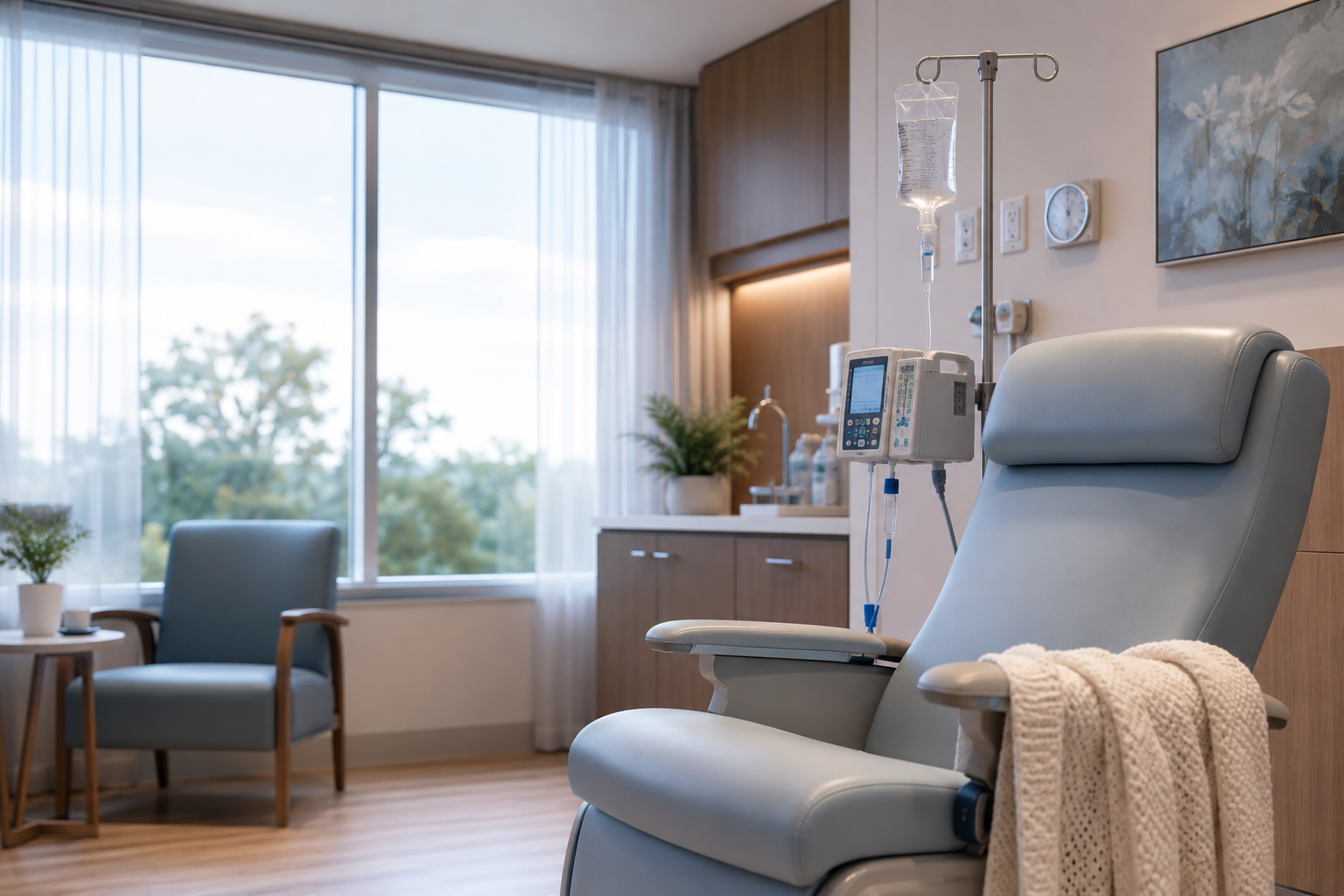
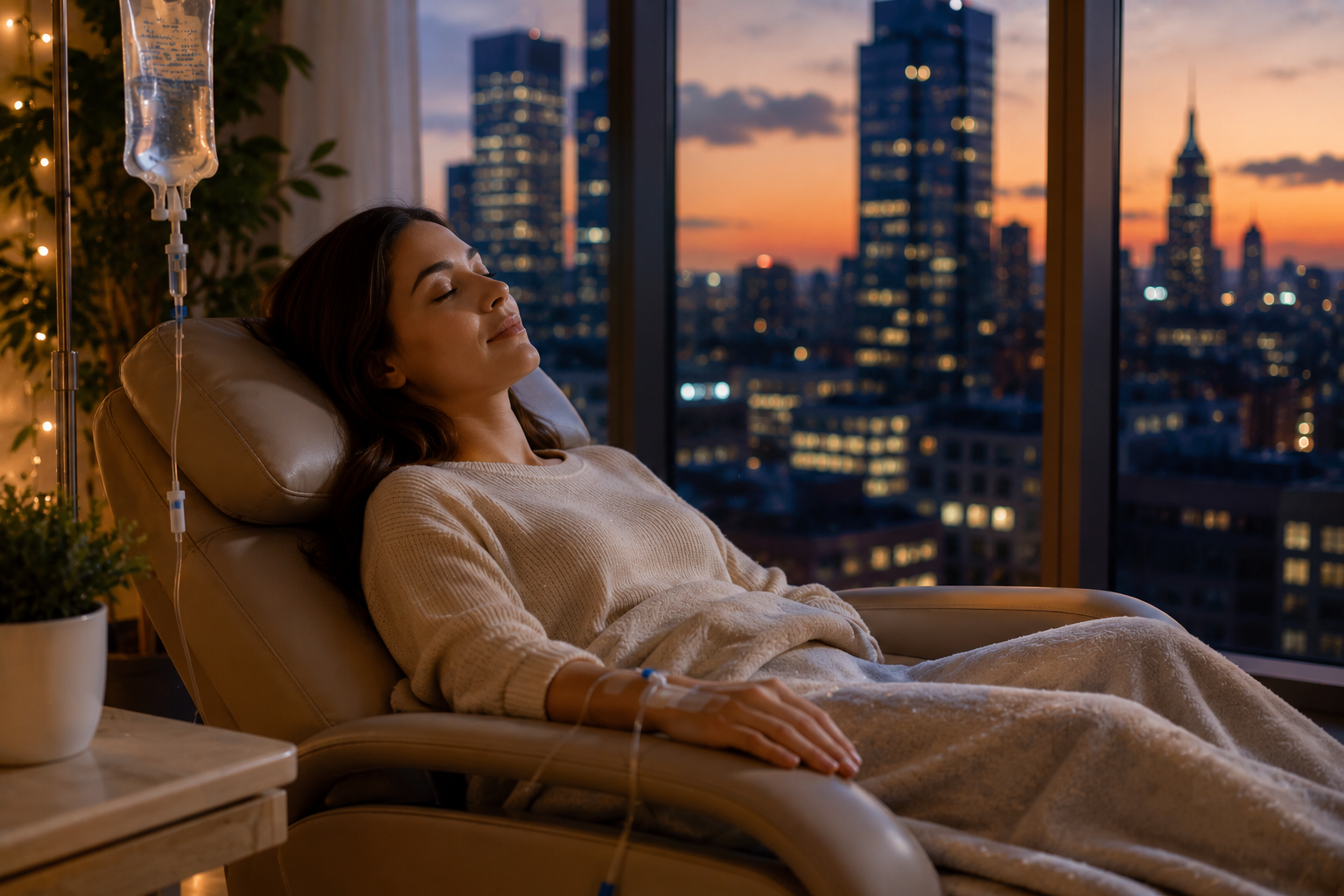
Dimmed lighting, calming music or silence per patient preference, a reclining chair, an eye mask if wanted, and a blanket. Patients are never left alone during an infusion.
Continuous Vital Monitoring
Blood pressure, heart rate, and oxygen saturation are tracked throughout every session. Clinical staff conduct visual and verbal check-ins at regular intervals.
Real-Time IV Adjustment
If a patient signals distress, the infusion rate can be reduced or paused in seconds. As stated earlier, anxiety typically resolves within 5–10 minutes of slowing the drip. This is the core advantage of IV over IM or nasal routes, the response is immediate and reversible.
Verbal Grounding Techniques
During difficult moments, clinical staff use brief grounding, naming the time, location, and what is happening. This helps patients orient without escalating their response.
Benzodiazepine Rescue
In rare cases of severe acute anxiety, a low-dose benzodiazepine may be administered. This is a backup protocol, not routine practice. The patient is monitored until fully recovered before discharge.
Post-Session Debrief
Before leaving, the clinical team reviews the session with the patient. Difficult moments are noted and the next infusion plan is adjusted accordingly. See more about our infusion protocol.
What The Research Says — Anxiety As A Treatment Predictor
Research on ketamine and anxiety explores both treatment outcomes and patient experiences during infusions. Let’s go through what the research says.
The Non-Response Signal
Aust et al. (2019), published in European Neuropsychopharmacology, found that high anxiety during infusions correlated with antidepressant non-response. It is not a guarantee but a clinically meaningful signal.
Patients who tolerate ketamine well, in general, respond better.
The Anxiolytic Evidence
Hartland et al. (2022), published in PMC, found ketamine produced significant anxiolytic effects in refractory GAD and social anxiety patients. Single-dose effects lasted up to two weeks.
The reconciling point: ketamine is overwhelmingly beneficial for anxiety populations. A minority experience transient in-session anxiety. Being transparent about both sides of that picture is how good clinical care works.
Can Ketamine Make PTSD Or Depression Worse?
This is rare, but it is reported, and patients deserve a direct answer.
Approximately 8.4% of patients experienced a temporary increase in depressive symptoms after induction. A smaller fraction reported briefly increased suicidal ideation.
The critical distinction is duration. Temporary intensification during the integration window resolves within days. Sustained worsening beyond that requires provider intervention.
This is why we emphasize follow-up and recommend pairing ketamine with talk therapy for trauma populations. Read more about our approach to PTSD and ketamine therapy and ketamine for treatment-resistant depression.
When To Talk To Your Provider
Trust your instincts. If something feels wrong after a session, reach out. Do not wait for the next scheduled appointment.
Contact us if you notice:
Anxiety lasting longer than 24–48 hours post-infusion, above your personal baseline
Panic attacks occurring more frequently after starting ketamine therapy
New-onset symptoms you have not experienced before, intrusive thoughts, persistent post-session dissociation
Any thoughts of self-harm or suicide, call immediately
We provide post-treatment follow-up as a standard part of care, not an add-on. Patients can reach us by phone or through our contact form between sessions.
Ketamine Wellness NY’s Approach To Anxiety-Sensitive Patients
Our clinical approach is built around one principle: every patient is different, and the protocol should reflect that.
Dr. Pervaiz Qureshi is board-certified in internal medicine, with a multi-institution background in ketamine-assisted treatment. He leads every intake evaluation for anxiety-sensitive patients personally.
What We Do Differently
We screen every patient for anxiety risk factors before their first infusion. We start with conservative doses and titrate upward based on real response. We do not apply a fixed clinic-wide protocol.
IV-only administration means real-time adjustability throughout every session. If distress appears, we respond within seconds. IM and nasal routes do not offer that control.
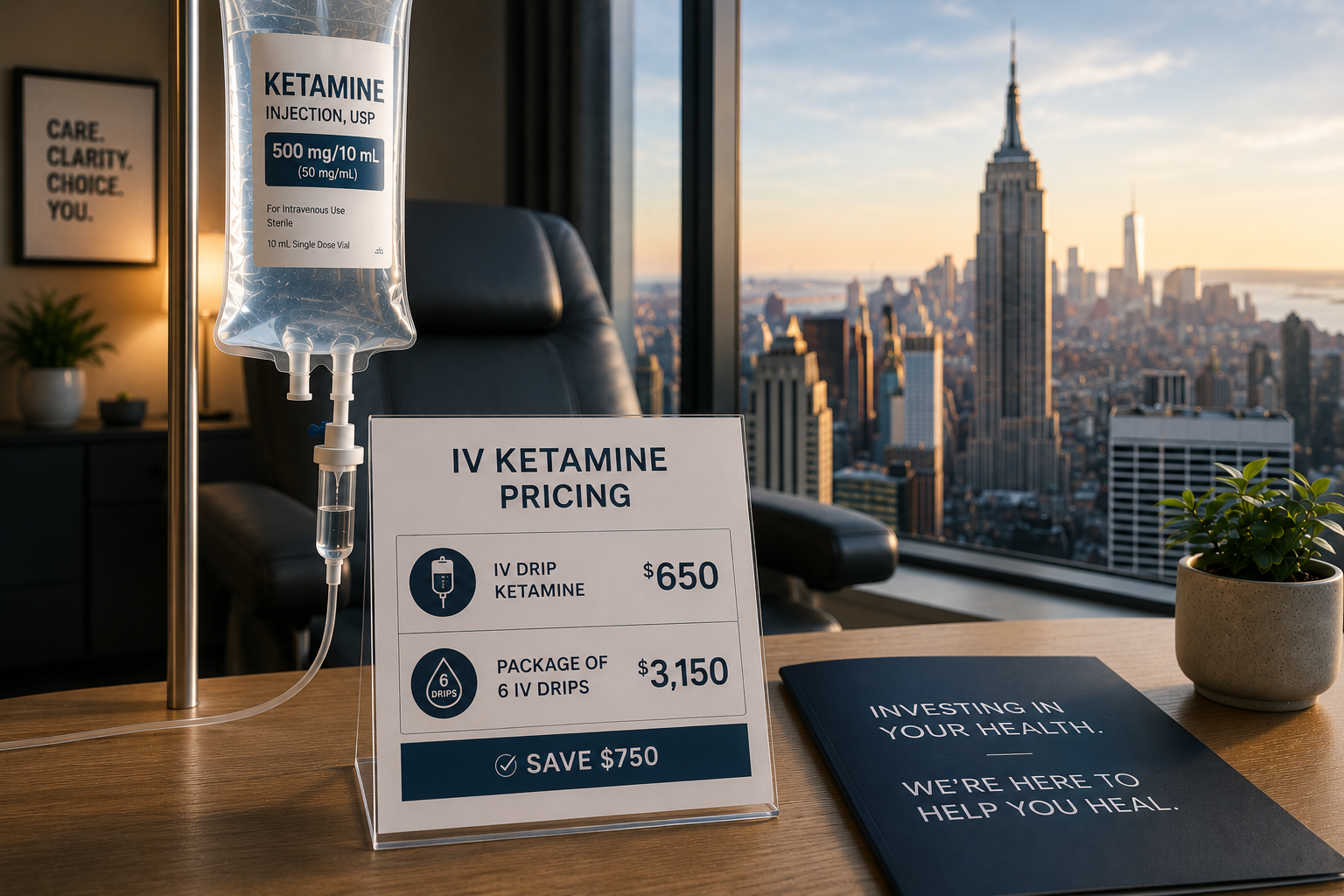
Our Queens and Long Island locations serve patients across the NY metro area. Treatment costs are covered transparently, with no pressure to commit before you understand your options. Here is a quick breakdown of our ketamine therapy availability and pricing:
IV Drip (Introductory Session) — $550
IV Drip Ketamine — $650
Package of 6 IV Drips — $3,250
If you have concerns about anxiety and ketamine, the right next step is a conversation, not a commitment. Book a consultation or call us for a no-obligation discussion.
Frequently Asked Questions (FAQs)
How long does ketamine-induced anxiety last?
In most cases, anxiety during a ketamine infusion resolves within 5–10 minutes of slowing or stopping the IV drip. Post-infusion rebound anxiety, when it occurs, typically settles within 24–72 hours as the neuroplasticity integration window closes.
Can I take anti-anxiety medication before a ketamine infusion?
This depends on the specific medication. Some benzodiazepines can blunt ketamine’s therapeutic effects. Others are used as rescue agents during sessions. Always disclose every medication during pre-screening so your provider can assess interactions and adjust the protocol accordingly.
Is ketamine safe for patients with panic disorder?
Yes, with appropriate screening and dose calibration. Patients with panic disorder carry a higher risk of in-session anxiety due to dissociation being read as a threat signal. IV administration allows real-time dose adjustment, which makes the treatment manageable for this population when properly supervised.
What should I do if I feel anxious during an infusion?
Signal your clinical team immediately, verbally or with a pre-agreed gesture. Do not try to manage it alone. Staff can slow or stop the IV drip within seconds. Anxiety resolves quickly once the infusion rate drops. You will not be left unattended at any point.
Is rebound anxiety after ketamine normal?
Yes, a temporary increase in anxiety within 24–72 hours post-infusion is a recognized part of the integration window. It reflects active neuroplasticity, not treatment failure. If anxiety remains elevated beyond 72 hours or significantly exceeds your baseline, contact your provider directly.
Final Thoughts
Anxiety during ketamine therapy is real, manageable, and well-understood by experienced clinical teams. It affects a minority of patients. It resolves quickly with proper protocols in place.
For most people, ketamine works against anxiety, not in favor of it. If you are weighing whether this treatment fits your situation, honest clinical guidance is the place to start.
Resources
Psychopharmacology Institute. “Ketamine Guide: Pharmacology, Indications, Dosing Guidelines and Adverse Effects.” psychopharmacologyinstitute.com
Oxford Health NHS. “Ketamine for Depression: Patient Information.” oxfordhealth.nhs.uk
Sabine Aust et al. (2019). “Anxiety During Ketamine Infusions Is Associated With Negative Treatment Responses In Major Depressive Disorder.” European Neuropsychopharmacology. sciencedirect.com
John H Krystal et al. (2024). “Ketamine and Rapid Antidepressant Action: New Treatments and Novel Synaptic Signaling Mechanisms.” Neuropsychopharmacology. https://pubmed.ncbi.nlm.nih.gov/37488280/
L. Alison McInnes et al. (2022). “A Retrospective Analysis of Ketamine Intravenous Therapy For Depression In Real-World Care Settings.” sciencedirect.com
For many, therapy offers a vital path to healing and self-discovery. However, after years of
We’ve Received Your Appointment Request
Thank you for choosing Wellness Clinic. Our specialist care team will contact you within the next 12 hours to confirm your appointment and answer any questions youmay have.
 Skip to content